A new step toward commercially viable fusion energy has been taken with the launch of a specialised testing facility by researchers from the UK Atomic Energy Authority.
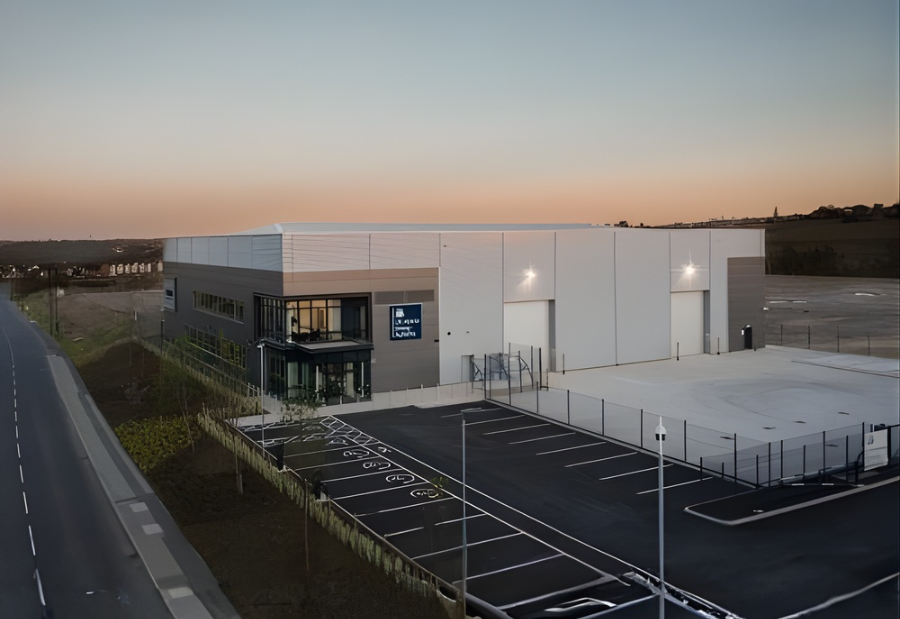
The facility, named ELSA, has been unveiled at the Fusion Technology Facility in South Yorkshire. It is designed to speed up fusion research by testing key components under extreme conditions similar to those inside a fusion power plant.
ELSA operates at cryogenic temperatures between 20 and 70 Kelvin, which equals minus 253.15 to minus 203.15 degrees Celsius. These conditions replicate the operating environment of high temperature superconducting magnets used in fusion machines. The facility allows engineers to study how components behave under fusion relevant conditions and improve engineering and design decisions.
High temperature superconducting coils play a vital role in fusion by confining and shaping plasma using strong magnetic fields with minimal energy loss. Engineers are working toward electrical resistance levels that are one millionth of those found in consumer electronics. Lower resistance means lower energy use, reduced operating costs, and better prospects for commercial fusion energy.
ELSA is currently focused on testing remountable joint components. These joints are designed to have extremely low electrical resistance and are critical for allowing quick and efficient maintenance of future fusion power plants. Remountable joints form part of the toroidal field coils that surround the magnetic cage of a tokamak and enable easier access during plant operations.
“Remountable joints, and other aspects of High Temperature Superconducting magnet technology require cryogenic facilities like ELSA to test various aspects of the technologies, and are few and far between,” said Chris Lamb, Remountable Joints Engineering Manager.
“Having the ELSA facility come online at the Fusion Technology Facility will be fantastic in helping the engineers get up close and personal with realising these critical HTS technologies.”
The work supports the UK’s STEP Programme, a prototype fusion power plant planned for West Burton in North Nottinghamshire, with operations targeted for 2040. The programme is being delivered by UK Industrial Fusion Solutions Ltd, a subsidiary of the UK Atomic Energy Authority.
“Here in South Yorkshire, we are tasked with answering the ‘how?’ in the delivery of commercially viable fusion energy,” said Professor Matt Stephenson.
“Our team is working hard to test and provide accurate results that inform durable and cost effective power plant design.”
A local authority report estimates the STEP project could create 6,500 on site jobs once operational, with more during construction. The success of STEP is expected to pave the way for fusion power plants worldwide.
“Harnessing the power of the stars to generate clean, sustainable energy on earth requires meaningful collaboration,” said Dr James Cowan.
“ELSA is a perfect example of this approach in action.”
Also read: Viksit Workforce for a Viksit Bharat
Do Follow: The Mainstream formerly known as CIO News LinkedIn Account | The Mainstream formerly known as CIO News Facebook | The Mainstream formerly known as CIO News Youtube | The Mainstream formerly known as CIO News Twitter
About us:
The Mainstream is a premier platform delivering the latest updates and informed perspectives across the technology business and cyber landscape. Built on research-driven, thought leadership and original intellectual property, The Mainstream also curates summits & conferences that convene decision makers to explore how technology reshapes industries and leadership. With a growing presence in India and globally across the Middle East, Africa, ASEAN, the USA, the UK and Australia, The Mainstream carries a vision to bring the latest happenings and insights to 8.2 billion people and to place technology at the centre of conversation for leaders navigating the future.