A new chapter in autonomous mobility took shape at CES 2026, where Uber, Lucid Motors, and Nuro revealed the production-intent version of their jointly developed robotaxi.
The vehicle, showcased ahead of its public debut at Consumer Electronics Show 2026, has been under development for more than 6 months. It follows a deal under which Uber invested $300 million in Lucid and committed to purchasing 20,000 Lucid electric vehicles. The companies confirmed that the robotaxi is already being tested on public roads, with commercial operations planned for the San Francisco Bay Area later in 2026.
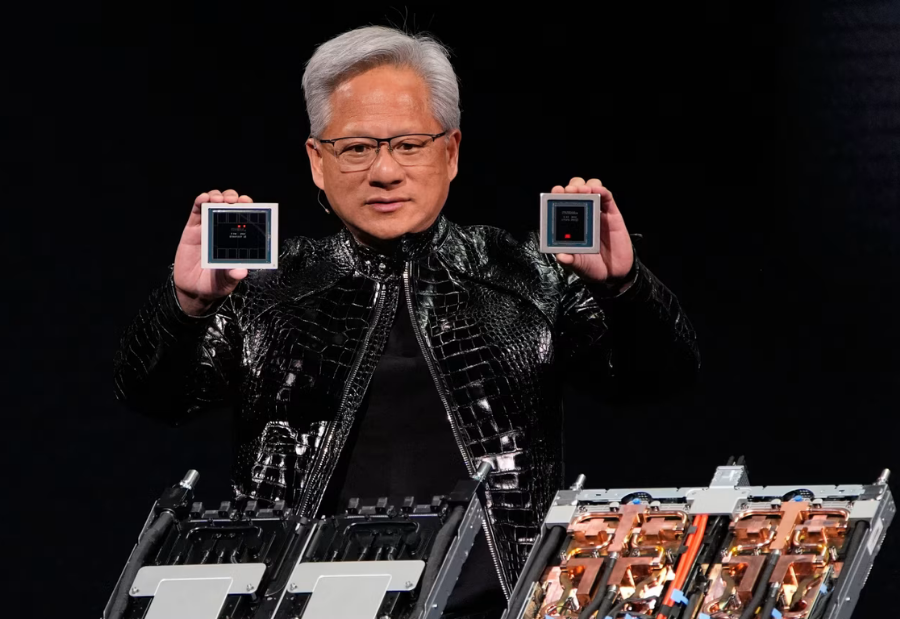
Built on the Lucid Gravity SUV platform, the robotaxi integrates high-resolution cameras, solid-state lidar sensors, and radar systems into the vehicle body and a roof-mounted “halo.” The autonomous system is powered by Nvidia’s Drive AGX Thor computer. The halo also features LED lighting to help riders easily identify their vehicle, similar to the system used by Waymo.
A key advantage of this approach is manufacturing efficiency. The autonomous hardware is installed directly during production at Lucid’s Casa Grande, Arizona factory, reducing time and cost. This differs from some competitors that retrofit autonomy hardware after vehicles are built.
The CES version represents a more refined iteration of earlier test models. New details include how riders will interact with the robotaxi. A small external screen on the halo greets passengers, while interior displays provide trip information. Rear passengers see an isometric map showing the vehicle’s movement through city streets, nearby cars, and pedestrians. The interface also displays estimated arrival time, remaining trip duration, climate and music controls, and buttons for rider support or pulling over.
The front passenger area features a larger central touchscreen, with similar information also visible on the Gravity’s 34-inch curved OLED display behind the steering wheel.
Uber described the service as a “premium” robotaxi experience, highlighting the Gravity’s spacious cabin. Both 2-row and 3-row configurations are planned.
The companies said that once final validation is completed later in 2026, full production robotaxis will begin rolling off Lucid’s Arizona production lines, though a precise timeline was not disclosed.
Also read: Viksit Workforce for a Viksit Bharat
Do Follow: The Mainstream formerly known as CIO News LinkedIn Account | The Mainstream formerly known as CIO News Facebook | The Mainstream formerly known as CIO News Youtube | The Mainstream formerly known as CIO News Twitter
About us:
The Mainstream is a premier platform delivering the latest updates and informed perspectives across the technology business and cyber landscape. Built on research-driven, thought leadership and original intellectual property, The Mainstream also curates summits & conferences that convene decision makers to explore how technology reshapes industries and leadership. With a growing presence in India and globally across the Middle East, Africa, ASEAN, the USA, the UK and Australia, The Mainstream carries a vision to bring the latest happenings and insights to 8.2 billion people and to place technology at the centre of conversation for leaders navigating the future.