A growing shift is underway as governments begin to place technology alongside defence and finance in shaping national strength and long-term stability.
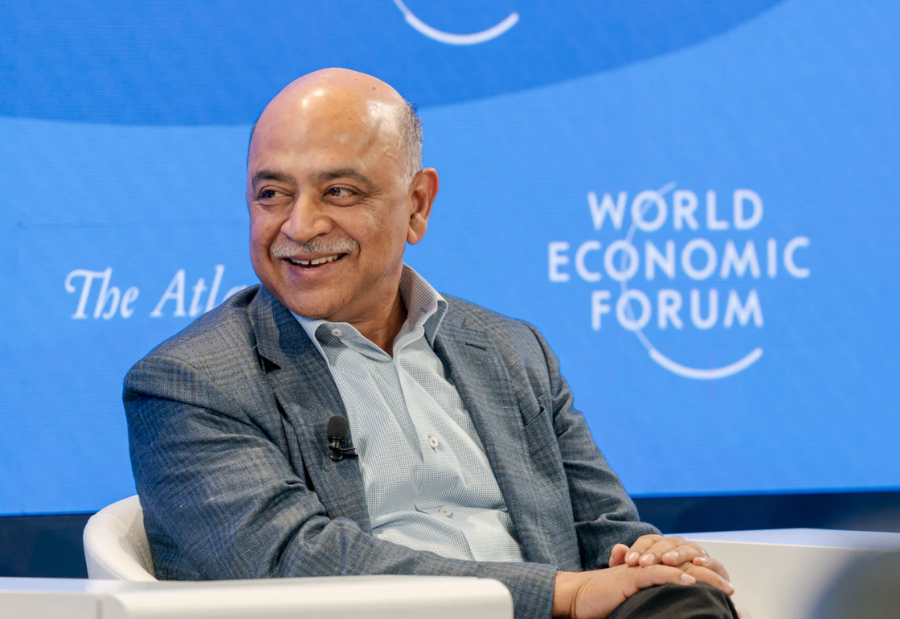
Speaking at a panel discussion during the World Governments Summit in Dubai, IBM CEO Arvind Krishna said technology has become a decisive “force multiplier” for both economic growth and national security. He noted that while defence protects borders and finance enables investment, technology now amplifies the impact of both.
“Defence is important, it helps preserve a nation, preserve the boundaries, preserve the security of its citizens. Finance is important, because without liquidity and credit, it’s very hard to invest in infrastructure,” Krishna said. “Technology is a force multiplier. Every nation is waking up to the fact that technology can help amplify the impact of both of those and many other industries.”
Krishna added that technology is becoming “as, or perhaps more important, even than finance” in driving future growth. He also clarified that digital sovereignty does not mean isolation. “It’s not exclusive. You can use many things from other places, but you do need to run some that you have your control over fully, so that nobody can turn it off, mismanage it, steal data from it, or apply the wrong security to it,” he said.
Echoing similar views, Ericsson President and CEO Börje Ekholm cautioned against focusing too narrowly on sovereignty. “I think sovereignty leads the mind the wrong way,” Ekholm said. “Because it actually says that we can be a bit independent. I actually think in technology, we can’t.”
Ekholm argued instead for trusted interdependence, pointing out that most countries rely on foreign technology at some level. “Technology is the key driver of prosperity in countries in the future,” he said. “So can you depend on somebody else controlling your stack? No. You need to make sure that you work with vendors you can trust, partners you can trust, in building up that whole digital stack.”
Looking ahead, Ekholm said future networks will be AI-native and intent-based. “We will start to look at each application and decide what type of connectivity will it need,” he said, adding that with 6G, “everything that can be connected will be connected.”
Krishna also highlighted advances in quantum computing. Calling it “engineering, no longer science fiction,” he said that within 2 to 3 years, quantum systems could deliver “incredible commercial advantages” in areas such as materials science, finance and optimisation.
On artificial intelligence, he said large and small models will coexist. “Large models are going to be very useful, and small models are going to do the majority of the work,” he said, pointing to domain-specific AI across industries.
Also read: Viksit Workforce for a Viksit Bharat
Do Follow: The Mainstream formerly known as CIO News LinkedIn Account | The Mainstream formerly known as CIO News Facebook | The Mainstream formerly known as CIO News Youtube | The Mainstream formerly known as CIO News Twitter
About us:
The Mainstream is a premier platform delivering the latest updates and informed perspectives across the technology business and cyber landscape. Built on research-driven, thought leadership and original intellectual property, The Mainstream also curates summits & conferences that convene decision makers to explore how technology reshapes industries and leadership. With a growing presence in India and globally across the Middle East, Africa, ASEAN, the USA, the UK and Australia, The Mainstream carries a vision to bring the latest happenings and insights to 8.2 billion people and to place technology at the centre of conversation for leaders navigating the future.