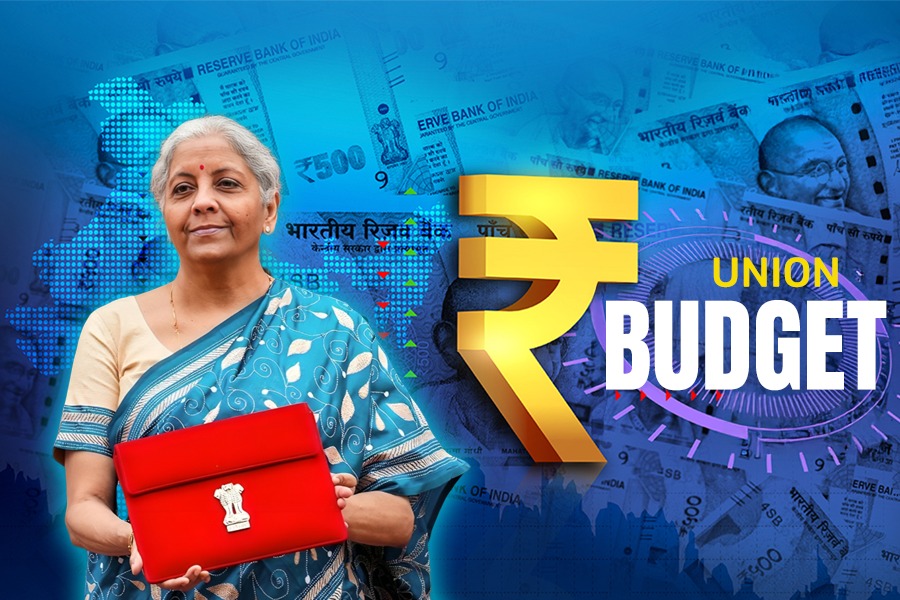
As preparations for Union Budget 2026 gather pace, India’s startup ecosystem is renewing its long-standing demand for meaningful reforms in the taxation of employee stock option plans, or ESOPs.
At the centre of the debate is the current tax structure, which founders and investors argue places an unfair burden on employees. In India, ESOPs are taxed as a perquisite at the time of exercise, even when there is no market for the shares and no liquidity event. Employees are then taxed again when they sell the shares, creating a dual tax burden on the same compensation.
The issue was partly addressed in Budget 2020, when the government introduced a tax deferral to reduce the so-called “dry tax” burden. However, the relief applies only to “eligible” startups and not the broader ecosystem. Since then, startups have continued to argue that taxation should apply only when real wealth is realised, not on paper valuations.
Currently, ESOP taxation is governed by the Income Tax Act, 1961. At the exercise stage, ESOPs are treated as a perquisite under Section 17(2)(vi), with the difference between the fair market value and the exercise price taxed as salary income. A second tax applies under Section 45 when the shares are sold, with gains taxed as capital gains based on holding period and listing status.
To ease upfront cash pressure, the Finance Act, 2020 allowed employees of startups certified under Section 80-IAC to defer tax deduction. Under Section 192(1C), tax becomes payable at the earliest of 3 events: after 5 years, on sale of shares, or on exit from the company. But the benefit is narrowly scoped. While India has nearly 2,00,000 DPIIT-recognised startups, fewer than 4,000 are certified by the Inter-Ministerial Board.
“This deferral is limited to a narrow subset of startups,” says Parizad Sirwalla of KPMG in India, adding that the cash burden remains if no liquidity event occurs. Founders also flag the “resignation trigger,” where deferred tax becomes payable immediately when an employee leaves, even if shares remain illiquid.
Ahead of Budget 2026, industry voices are seeking 2 key changes: extending ESOP tax deferral to all DPIIT-recognised startups and removing the resignation trigger. The preferred outcome is a system where tax is paid only at sale.
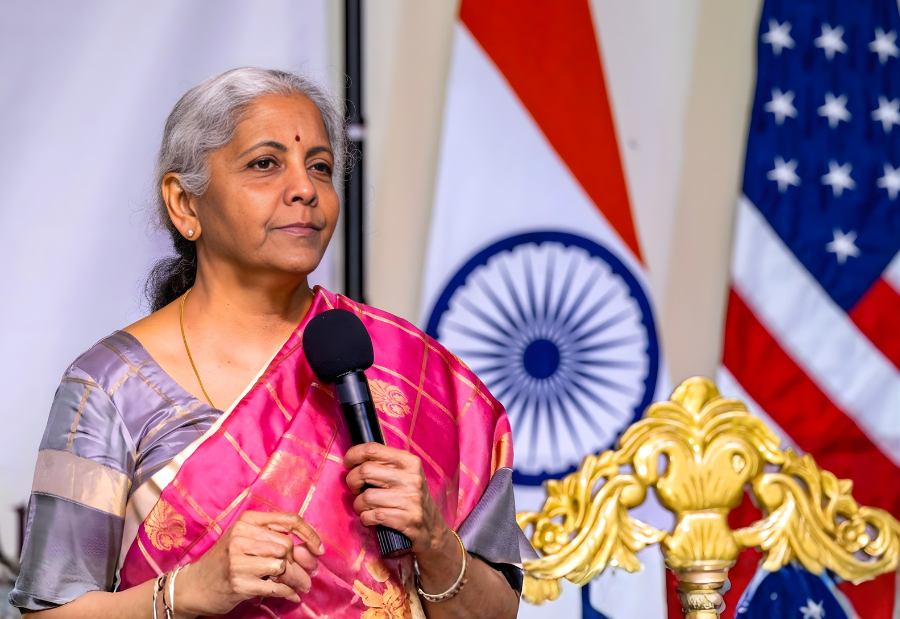
In its pre-Budget note, NASSCOM has urged wider access to the 2020 deferral framework with simpler eligibility checks. Meanwhile, voices across the ecosystem warn that India’s dual taxation model risks pushing talent and startups offshore if left unaddressed, placing ESOP reform firmly on the agenda for Finance Minister Nirmala Sitharaman in Budget 2026.
Also read: Viksit Workforce for a Viksit Bharat
Do Follow: The Mainstream formerly known as CIO News LinkedIn Account | The Mainstream formerly known as CIO News Facebook | The Mainstream formerly known as CIO News Youtube | The Mainstream formerly known as CIO News Twitter
About us:
The Mainstream is a premier platform delivering the latest updates and informed perspectives across the technology business and cyber landscape. Built on research-driven, thought leadership and original intellectual property, The Mainstream also curates summits & conferences that convene decision makers to explore how technology reshapes industries and leadership. With a growing presence in India and globally across the Middle East, Africa, ASEAN, the USA, the UK and Australia, The Mainstream carries a vision to bring the latest happenings and insights to 8.2 billion people and to place technology at the centre of conversation for leaders navigating the future.