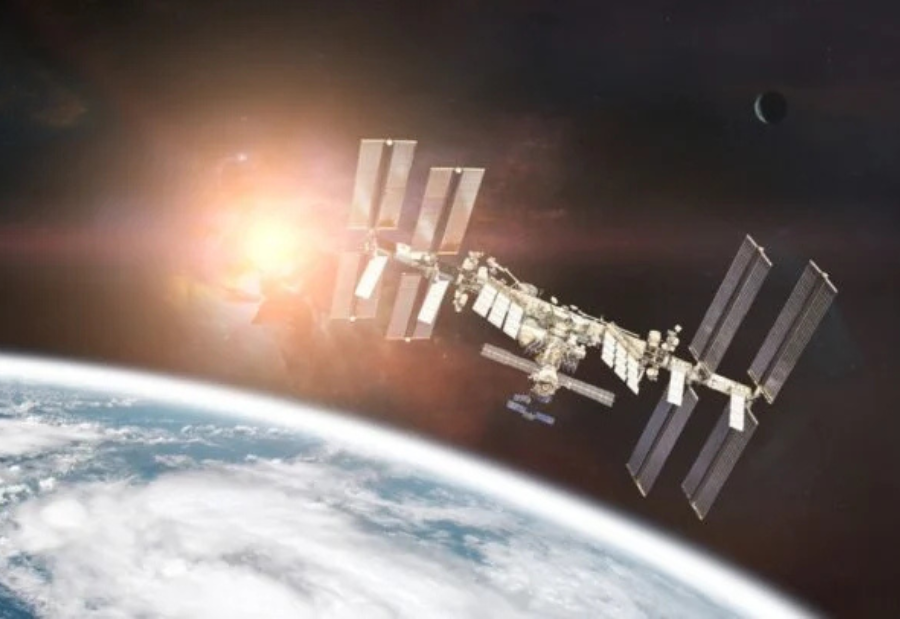
A major technological milestone has been achieved as a Washington based startup successfully operated an artificial intelligence model from outer space. The company launched its Starcloud 1 satellite equipped with an Nvidia H100 GPU, the same chip used in some of the world’s most advanced AI systems. This makes the H100 the most powerful GPU ever sent to orbit, with the company stating it is about 100 times more capable than any processor previously deployed in space.
The satellite is currently running Gemma, an open large language model created by Google, and it is responding to queries directly from orbit. This experiment marks a new direction for the future of computing, energy use, and data centre design.
The company’s founders describe their mission as an attempt to reshape global computing infrastructure. CEO and co founder Philip Johnston said on X that “this is a significant step on the road to moving almost all compute to space” and added that the long term goal is to reduce the planet’s growing energy load.
Engineering the H100 GPU to function in orbit required extensive innovation. Chief Technology Officer Adi Oltean said the team worked across several technical challenges to activate the system in space. Once operational, the satellite ran inference on the preloaded Gemma model and will conduct more tests in the coming months.
The team also trained NanoGPT, a smaller model introduced by OpenAI co founder Andrej Karpathy, on the collected works of Shakespeare. The result is a language model that generates text in authentic Shakespearean style while orbiting Earth.
The company’s goal is practical despite sounding futuristic. Data centres on Earth consume growing amounts of electricity and water. The International Energy Agency has reported that global data centre power consumption may more than double by 2030. By moving compute workloads off the planet, the company aims to use abundant solar energy in space and avoid cooling challenges on Earth.
The company plans to develop a 5 gigawatt orbital data centre powered by solar panels. The proposed structure would span around 4 kilometres in width and height and deliver more output than the largest power plant in the United States. The firm was founded in 2024 and is part of Nvidia’s Inception program as well as a graduate of two well known accelerator programs.
The company is already supporting real world applications including processing satellite imagery for emergency detection. It plans to add multiple H100 chips and Nvidia’s Blackwell platform to its next satellite launch in October 2026. This mission will also include an onboard cloud module developed with a cloud infrastructure startup, enabling customers to run AI workloads directly from orbit.
Major technology companies are also exploring off planet computing. Google is working on Project Suncatcher, SpaceX has announced that its Starlink V3 satellites will serve as orbital data centres, and Blue Origin is developing similar concepts. For now, the startup leads this emerging race with a satellite that is computing, learning, and even producing Shakespearean style text while circling Earth. The company describes its mission as “here to observe Earthlings.”
Also read: Viksit Workforce for a Viksit Bharat
Do Follow: The Mainstream formerly known as CIO News LinkedIn Account | The Mainstream formerly known as CIO News Facebook | The Mainstream formerly known as CIO News Youtube | The Mainstream formerly known as CIO News Twitter
About us:
The Mainstream is a premier platform delivering the latest updates and informed perspectives across the technology business and cyber landscape. Built on research-driven, thought leadership and original intellectual property, The Mainstream also curates summits & conferences that convene decision makers to explore how technology reshapes industries and leadership. With a growing presence in India and globally across the Middle East, Africa, ASEAN, the USA, the UK and Australia, The Mainstream carries a vision to bring the latest happenings and insights to 8.2 billion people and to place technology at the centre of conversation for leaders navigating the future.