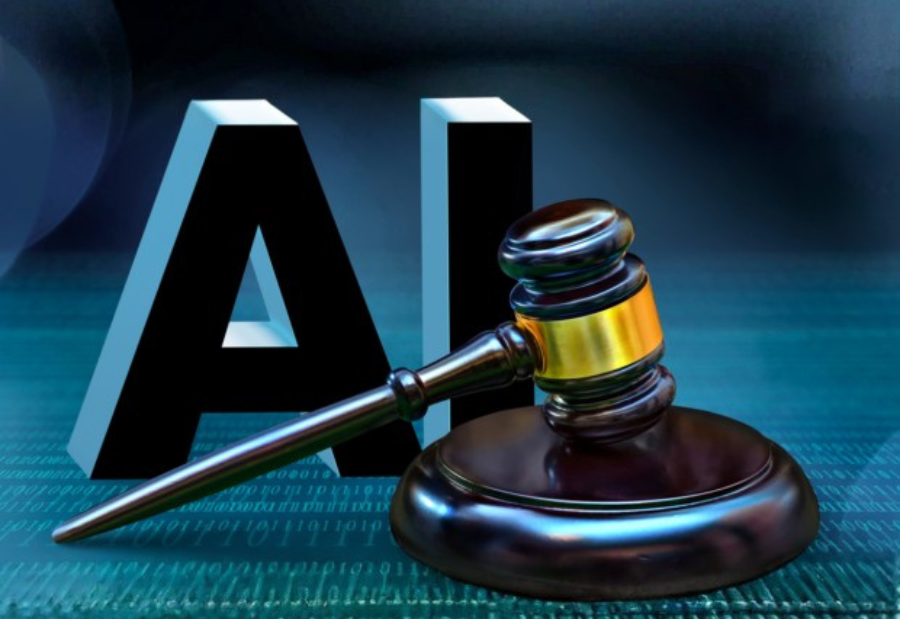
In a move that signals a tougher and more structured approach to artificial intelligence governance, South Korea has brought into force a sweeping new legal framework aimed at improving trust, safety, and accountability across the AI sector.
The new rules, introduced under the AI Basic Act, are being described by the government as the first comprehensive AI regulation of its kind globally. The law takes effect ahead of similar regulations in Europe, which are being implemented in phases. While the government views the act as a milestone, several start-ups have raised concerns that strict compliance requirements could slow innovation and growth.
Under the AI Basic Act, companies operating in “high-impact” AI sectors must ensure human oversight in critical areas. These include nuclear safety, drinking water production, transport, healthcare, and financial services such as credit evaluation and loan screening. The law also requires companies to inform users in advance if a product or service uses high-impact or generative AI.
Another key provision mandates clear labeling when AI-generated content cannot be easily distinguished from real content. This measure is intended to reduce misuse and improve transparency for users interacting with AI systems.
To ease the transition, the Ministry of Science and ICT has announced a grace period of at least 1 year before administrative fines are imposed. However, penalties for violations can be significant. For example, failure to label generative AI content could attract a fine of up to 30 million won ($20,400).
The government has positioned the AI Basic Act as a “critical institutional foundation” for South Korea’s goal of becoming one of the top 3 global AI powers. Science Minister Bae Kyung-hoon, who previously led the AI research division at a major electronics company, highlighted this vision during a press conference.
Despite this ambition, concerns remain within the startup ecosystem. Jeong Joo-yeon, a senior researcher at South Korea’s Startup Alliance, warned that vague language in the law could push companies to adopt overly cautious approaches to avoid regulatory risk.
Addressing these issues, the Ministry of Science and ICT said it plans to launch a guidance platform and set up a dedicated support centre to help companies comply during the grace period.
Also read: Viksit Workforce for a Viksit Bharat
Do Follow: The Mainstream formerly known as CIO News LinkedIn Account | The Mainstream formerly known as CIO News Facebook | The Mainstream formerly known as CIO News Youtube | The Mainstream formerly known as CIO News Twitter
About us:
The Mainstream is a premier platform delivering the latest updates and informed perspectives across the technology business and cyber landscape. Built on research-driven, thought leadership and original intellectual property, The Mainstream also curates summits & conferences that convene decision makers to explore how technology reshapes industries and leadership. With a growing presence in India and globally across the Middle East, Africa, ASEAN, the USA, the UK and Australia, The Mainstream carries a vision to bring the latest happenings and insights to 8.2 billion people and to place technology at the centre of conversation for leaders navigating the future.