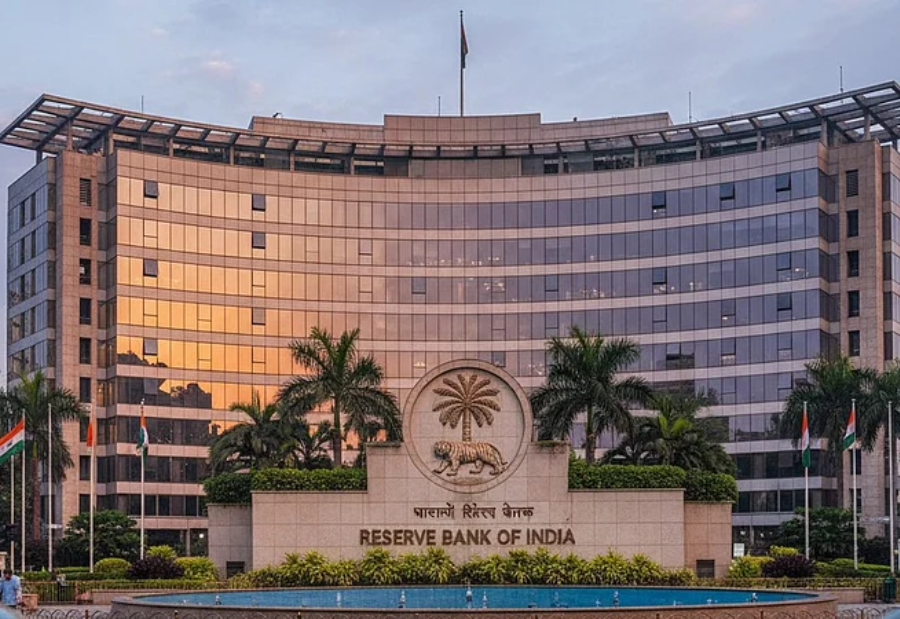
Rising volatility in global oil prices is prompting stronger intervention by the Reserve Bank of India in both currency and bond markets. Analysts say the central bank is stepping up measures to stabilise the rupee and manage liquidity as higher energy prices raise risks for inflation and government finances.
The RBI has recently increased its presence in both offshore and domestic foreign exchange markets as the rupee weakened to record lows. In a separate move, the central bank announced it will purchase ₹1 trillion worth of government bonds from the open market this month, adding to the screen-based purchases conducted in recent weeks.
These actions come as global crude prices surged following the outbreak of war in Iran. Higher oil prices pose multiple risks for India, including rising inflation, a widening trade deficit and pressure on the currency. By intervening in forex markets and purchasing bonds, the RBI aims to support the rupee, maintain liquidity and keep borrowing costs under control.
“The balance of payments may come under immense pressure if the Middle East crisis were to sustain beyond the near term,” said Upasna Bhardwaj. She added that the central bank may need to intervene frequently in currency markets and could potentially increase bond purchases beyond the ₹4 trillion base-case estimate.
According to Bhardwaj, the RBI may have sold between $18 billion and $20 billion in foreign exchange markets last week to support the rupee, with a large portion of the intervention taking place in offshore markets. The central bank has also reportedly conducted buy-sell swaps to replenish liquidity. India’s foreign exchange reserves stood at a record $728.5 billion at the end of February.
The rupee has weakened significantly during the ongoing geopolitical crisis, falling beyond ₹92 per US dollar. Economists at Barclays Bank Plc., including Mitul Kotecha, said the currency is likely to remain under pressure.
Oil prices had approached $120 per barrel earlier this week as traders factored in the possibility of a prolonged Middle East conflict. Prices later declined after Donald Trump suggested the war may end soon, though oil continues to trade above levels seen in February.
Some analysts believe the RBI may avoid aggressively defending the rupee due to uncertainty about the duration of the conflict.
“The RBI is likely to be more tolerant of INR weakness amid low visibility on the timing of the conflict’s end and oil prices above $100,” said Anubhuti Sahay. She noted that the central bank will need to manage its foreign exchange reserves carefully as intervention and valuation changes could reduce the reserve levels.
At the same time, the RBI’s bond purchases are aimed at restoring liquidity drained by forex interventions and keeping government bond yields in check. Benchmark yields are approaching levels last seen in January 2025 and have risen more than 10 basis points this year despite 4 interest-rate cuts and large liquidity injections in the previous year.
“It is possible that the central bank is delivering on its commitment on forward-looking and proactive liquidity infusions by pairing currency interventions with bond purchases,” said Suyash Choudhary.
Earlier this year, RBI Governor Sanjay Malhotra said that India was experiencing a “rare Goldilocks period” due to a combination of low inflation and strong economic growth.
In its October policy review, the central bank had assumed crude oil prices at $70 per barrel and noted that a 10% rise from that level could increase inflation by about 30 basis points and reduce economic growth by roughly 15 basis points.
Also read: Viksit Workforce for a Viksit Bharat
Do Follow: The Mainstream LinkedIn | The Mainstream Facebook | The Mainstream Youtube | The Mainstream Twitter
About us:
The Mainstream is a premier platform delivering the latest updates and informed perspectives across the technology business and cyber landscape. Built on research-driven, thought leadership and original intellectual property, The Mainstream also curates summits & conferences that convene decision makers to explore how technology reshapes industries and leadership. With a growing presence in India and globally across the Middle East, Africa, ASEAN, the USA, the UK and Australia, The Mainstream carries a vision to bring the latest happenings and insights to 8.2 billion people and to place technology at the centre of conversation for leaders navigating the future.