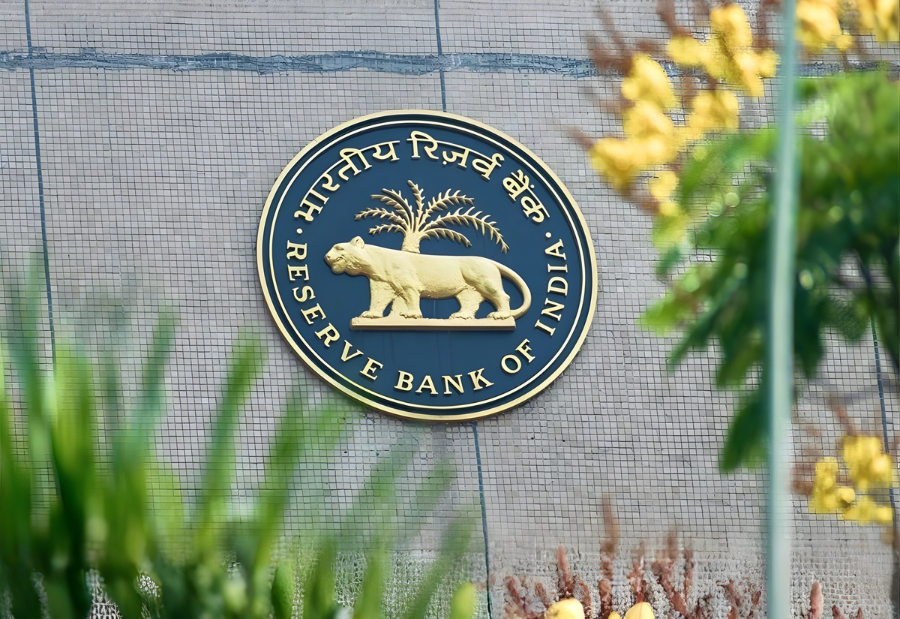
A fresh transparency debate has emerged in the banking sector as the Reserve Bank of India (RBI) has maintained that information on NPAs, defaulters, penalties, and inspection reports is “liable to be disclosed” under the RTI Act, even as major banks have challenged this view before the Central Information Commission.
Bank of Baroda, RBL Bank, Yes Bank, and the State Bank of India have filed appeals with the CIC, opposing disclosure of sensitive regulatory information. The cases stem from separate RTI applications filed by Dheeraj Mishra, Vathiraj, Girish Mittal, and Radha Raman Tiwari, who sought details including top 100 NPAs, willful defaulters, inspection reports, and records linked to penalties imposed after RBI inspections.
After examining the requests, the central bank concluded that the information could be disclosed under the Right to Information Act. The central bank relied on the Supreme Court’s ruling in the Jayantilal N. Mistry case, which held that RBI inspection reports and related records fall within the scope of the RTI law and that the RBI is not in a fiduciary relationship with banks.
Information Commissioner Khushwant Singh Sethi has now referred all related matters to a larger bench of the CIC. In interim orders, he noted that similar disputes were earlier examined by a double bench. Until the larger bench delivers a final ruling, disclosure of the requested information has been stayed.
In one case, Bank of Baroda challenged the RBI’s decision to disclose documents related to a ₹4.34 crore penalty imposed after statutory inspection findings. While the bank argued the information was “confidential and sensitive,” the RBI rejected this claim, stating that fears of adverse business impact were “not tenable.” The RBI added that exempt information under Sections 8(1)(d), (e), and (j) of the RTI Act had already been severed. Bank of Baroda has since approached the Supreme Court, seeking reconsideration of the Jayantilal N. Mistry judgement.
RBL Bank objected to disclosure of its inspection reports for 2013–14 and 2016–17, but the RBI cited Supreme Court observations that banks are duty-bound to furnish such information. Yes Bank also opposed sharing data on top NPAs and defaulters, arguing confidentiality, which the RBI countered by stating that “RTI Act, 2005, overrides all earlier laws.” SBI similarly challenged disclosure of enforcement actions and show-cause notices, but the RBI held these were disclosable after severing exempt portions.
The final outcome is expected to have wide implications for banking transparency, depositor rights, and regulatory accountability.
Also read: Viksit Workforce for a Viksit Bharat
Do Follow: The Mainstream formerly known as CIO News LinkedIn Account | The Mainstream formerly known as CIO News Facebook | The Mainstream formerly known as CIO News Youtube | The Mainstream formerly known as CIO News Twitter
About us:
The Mainstream is a premier platform delivering the latest updates and informed perspectives across the technology business and cyber landscape. Built on research-driven, thought leadership and original intellectual property, The Mainstream also curates summits & conferences that convene decision makers to explore how technology reshapes industries and leadership. With a growing presence in India and globally across the Middle East, Africa, ASEAN, the USA, the UK and Australia, The Mainstream carries a vision to bring the latest happenings and insights to 8.2 billion people and to place technology at the centre of conversation for leaders navigating the future.