A new digital transparency initiative on Bengaluru’s national highways has sparked debate among commuters and road users.
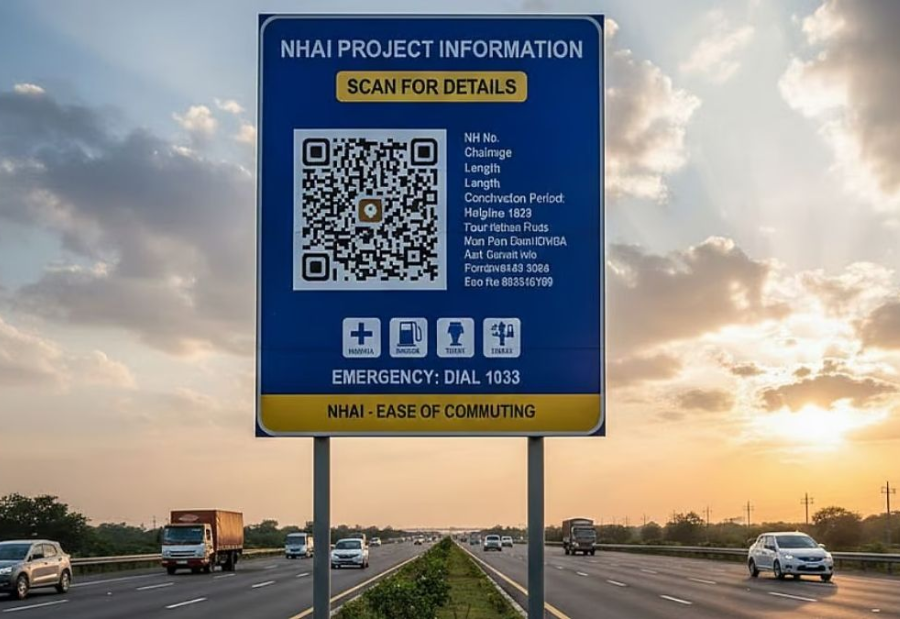
The National Highways Authority of India has installed QR code based information boards along key highway stretches in Bengaluru. The rollout currently covers the Bengaluru to Nelamangala section of NH 48 and the Bengaluru to Kolar to Mulbagal stretch of NH 75. According to the authority, the initiative is aimed at improving transparency and making highway travel more convenient for users.
In a post on X, NHAI said the QR code boards were introduced to “enhance transparency and improve ease of travel for National Highway users.” It added that by scanning the QR code, commuters can access details about the specific highway stretch, nearby toll plazas, and available wayside amenities.
The authority also stated that the QR codes provide quick access to emergency information. This includes contact details for highway patrol teams, engineers, police stations, hospitals, and the National Highway helpline. NHAI described the move as part of its effort to use technology for safer and more informed travel.
However, several users have pointed out gaps between the current rollout and earlier assurances made by Union minister for road transport and highways Nitin Gadkari. Social media users noted that while the QR codes offer general travel and emergency details, they do not include key project information.
A community note on X said the portal linked to the QR codes does not display “useful information required for transparency.” Users highlighted the absence of details such as the name of the MLA, contractor, consultant, project cost, and officials responsible for the road stretch.
“This isn’t the transparency that was promised by Nitin Gadkari, as the portal doesn’t show the name of the MLA, contractor, project cost and other key project details,” the note said.
Several users recalled that Gadkari had earlier directed that QR codes be installed on all national highway projects to allow citizens to access real time project data and accountability details.
“Why should I alone get blamed? The QR code will display who the contractor, consultant, and officials are,” Gadkari had said at the time, adding that such a system would decentralise accountability and encourage better performance on highway projects.
The feedback from users suggests that while the digital boards mark a step toward transparency, expectations remain unmet until full project level details are made accessible.
Also read: Viksit Workforce for a Viksit Bharat
Do Follow: The Mainstream formerly known as CIO News LinkedIn Account | The Mainstream formerly known as CIO News Facebook | The Mainstream formerly known as CIO News Youtube | The Mainstream formerly known as CIO News Twitter
About us:
The Mainstream is a premier platform delivering the latest updates and informed perspectives across the technology business and cyber landscape. Built on research-driven, thought leadership and original intellectual property, The Mainstream also curates summits & conferences that convene decision makers to explore how technology reshapes industries and leadership. With a growing presence in India and globally across the Middle East, Africa, ASEAN, the USA, the UK and Australia, The Mainstream carries a vision to bring the latest happenings and insights to 8.2 billion people and to place technology at the centre of conversation for leaders navigating the future.