India’s indigenous satellite navigation system NavIC (Navigation with Indian Constellation) is currently facing operational challenges, raising concerns about its performance as the country looks to expand its use across civilian and strategic sectors. Developed by the Indian Space Research Organisation (ISRO), NavIC was designed as a regional alternative to global navigation platforms such as GPS. The system provides positioning, navigation, and timing services across India and nearby regions, supporting sectors such as transportation, disaster management, telecommunications, and defence.
However, recent assessments suggest that the NavIC constellation is currently operating below its optimal capacity due to technical problems affecting several satellites.
Fewer operational satellites
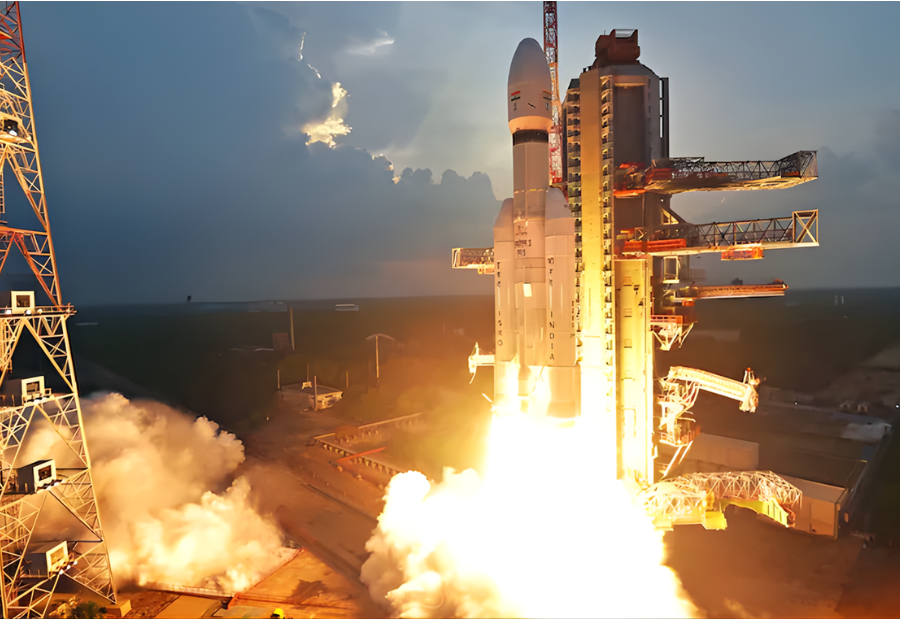
NavIC was initially planned as a 7-satellite constellation, but 11 satellites have been launched since 2013 to maintain coverage and replace ageing units. Despite these launches, only a limited number of satellites are fully functional.
Reports indicate that around 4 satellites are currently fully operational, which is the minimum required to keep the navigation system running effectively. Several others are either partially operational or no longer functioning due to technical failures.
Atomic clock failures impacting accuracy
One of the major issues affecting the system has been the failure of rubidium atomic clocks onboard multiple satellites. These clocks are essential for maintaining the precise timing required for accurate navigation signals.
The problem first emerged in 2016, when all 3 atomic clocks on the IRNSS-1A satellite stopped functioning. Similar failures were later reported in other satellites within the constellation, affecting the overall reliability of the navigation network.
Additional setbacks, including issues with replacement satellites and engine malfunctions during orbit-raising operations, have also delayed efforts to fully restore the system’s operational capacity.
Strategic importance of NavIC
Despite these challenges, NavIC remains an important part of India’s technological and strategic infrastructure. The system supports both civilian and defence applications, including navigation services, missile guidance, troop movement tracking, and surveillance operations.
The development of NavIC was also driven by the need for navigation independence, particularly after India faced difficulties accessing foreign GPS data during the Kargil conflict.
Need for upgrades and future satellites
Experts believe that restoring NavIC’s full capability will require launching replacement satellites, improving atomic clock technology, and expanding the constellation with newer NVS-series satellites.
Strengthening the system is considered important as India moves to integrate NavIC into smartphones, transportation systems, and defence platforms, ensuring reliable and independent navigation services.
Also read: Viksit Workforce for a Viksit Bharat
Do Follow: The Mainstream LinkedIn | The Mainstream Facebook | The Mainstream Youtube | The Mainstream Twitter
About us:
The Mainstream is a premier platform delivering the latest updates and informed perspectives across the technology business and cyber landscape. Built on research-driven, thought leadership and original intellectual property, The Mainstream also curates summits & conferences that convene decision makers to explore how technology reshapes industries and leadership. With a growing presence in India and globally across the Middle East, Africa, ASEAN, the USA, the UK and Australia, The Mainstream carries a vision to bring the latest happenings and insights to 8.2 billion people and to place technology at the centre of conversation for leaders navigating the future.