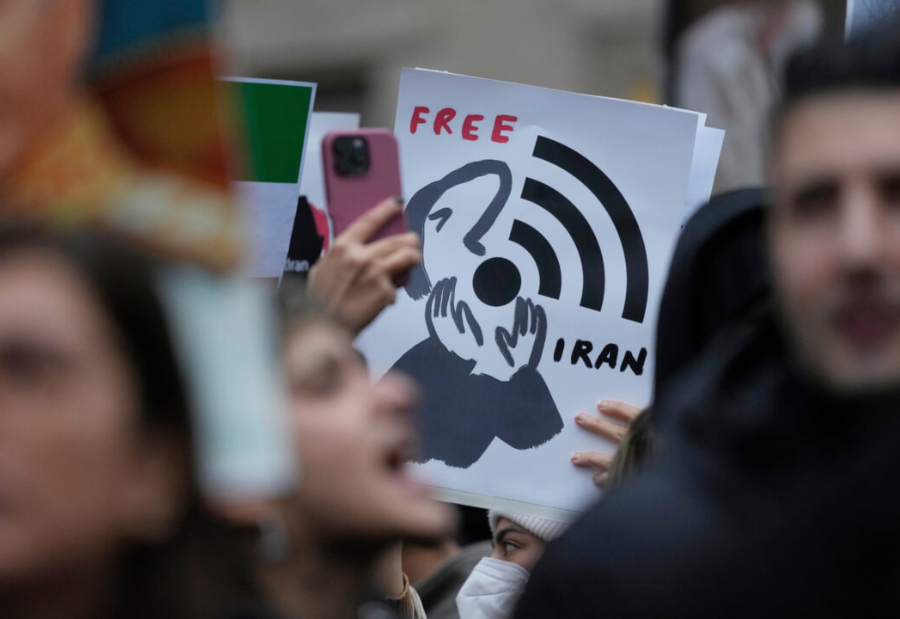
As Iran experiences one of its longest recent internet blackouts, people are finding limited and creative ways to stay connected with the outside world. According to the connectivity monitoring group NetBlocks, the disruption has lasted more than 14 days and appears to be a deliberate shutdown imposed by authorities.
Isik Mater, research chief at NetBlocks, said the nature of the disruption suggests it is not linked to damage from airstrikes during the US–Israel–Iran conflict but is instead a controlled measure. Raha Bahreini, Iran researcher at Amnesty International, said the move aims to restrict information flow and prevent dissent.
Despite the shutdown, information is still moving in and out of the country through several channels.
Shortwave radio
Amsterdam-based nonprofit Radio Zamaneh started broadcasting a nightly Farsi news programme via shortwave radio at 11:00 pm Tehran time during the January protests. Executive director Rieneke van Santen said the system is difficult for authorities to block because of its long-distance broadcast capability. “People can just listen on a super cheap, small, simple radio… It’s one of those typical emergency fall-back solutions.”
Phone calls
Some Iranians are still making international landline calls to family members abroad. Mahsa Alimardani from the rights organisation Witness said many people avoid discussing political topics due to fears that calls may be monitored. Bahreini also noted that conversations are often brief and sensitive topics are avoided. Prepaid international calling cards are expensive and often provide far fewer minutes than advertised.
VPNs and specialised tools
Virtual private networks remain in use, although they cannot create connectivity where none exists. Even with access at around 1% of normal levels, the number of users is still significant. Canadian company Psiphon previously had up to 6 million daily users in Iran before the shutdown, but connections have now dropped below 100,000, according to data insights director Keith McManamen. A similar service from Lantern is also widely used.
A lawyer in her 30s from Tehran described the situation: “From every 10 people I know, only one has access to the internet and that’s being generous. This is driving people crazy.”
Satellite broadcasts
A US nonprofit, NetFreedom Pioneers, runs a system called Toosheh filecasting technology. It sends encrypted data through satellite TV signals that users can record on USB drives and later decrypt using an app. Project director Emilia James said the system had around 3 million users across 2025.
Satellite internet
Some users are turning to Starlink, the satellite internet service owned by Elon Musk. However, devices can cost around $2,000 on the black market and are rare in poorer regions. Bahreini said authorities have reportedly carried out raids and arrests targeting people who possess Starlink devices.
Also read: Viksit Workforce for a Viksit Bharat
Do Follow: The Mainstream LinkedIn | The Mainstream Facebook | The Mainstream Youtube | The Mainstream Twitter
About us:
The Mainstream is a premier platform delivering the latest updates and informed perspectives across the technology business and cyber landscape. Built on research-driven, thought leadership and original intellectual property, The Mainstream also curates summits & conferences that convene decision makers to explore how technology reshapes industries and leadership. With a growing presence in India and globally across the Middle East, Africa, ASEAN, the USA, the UK and Australia, The Mainstream carries a vision to bring the latest happenings and insights to 8.2 billion people and to place technology at the centre of conversation for leaders navigating the future.