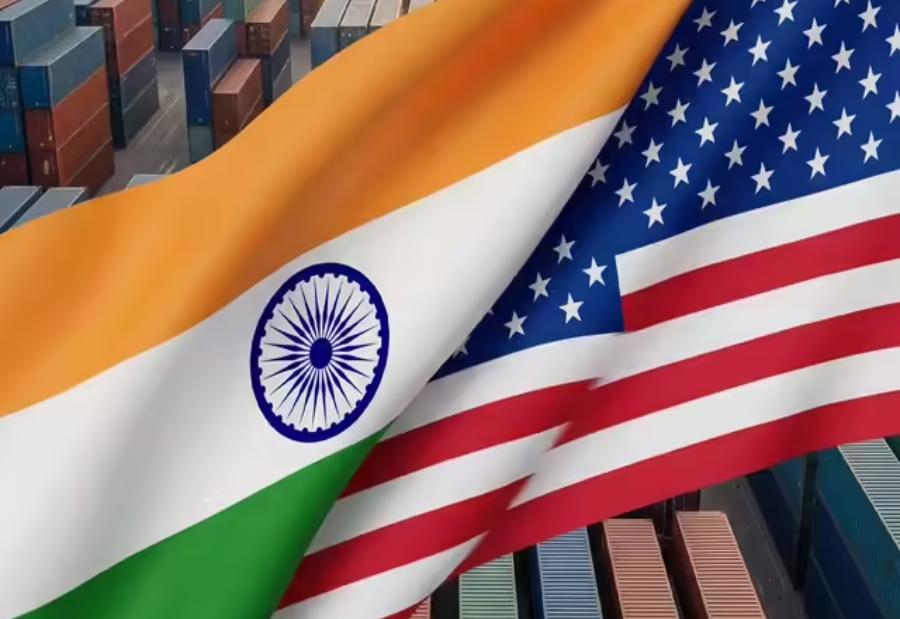
A high-level discussion in Silicon Valley highlighted how closer economic cooperation between India and the United States could reshape the global technology landscape. The gathering, organised by NASSCOM and the Indian Consulate in San Francisco on Feb. 6, brought together industry leaders, investors, policymakers and academics as both countries move toward a broader trade framework agreement.
“The U.S.-India trade deal is much larger than any individual entity,” NASSCOM President Rajesh Nambiar said. “I think the technology sector will play a big role in ensuring that we contribute to the Indo-U.S. technology corridor.” He noted that it’s IT industry exports around $220 billion annually, with about 62% directed to the United States.
Nambiar also referred to the launch of the U.S.-India CEO Forum, aimed at improving policy alignment, market access and talent mobility. “The idea of this is to build a relationship… ensuring that our voices as an industry are heard in the right corridors.”
Discussing India’s Union Budget, he highlighted a 20-year tax holiday designed to support infrastructure and digital investments, particularly data centers and cloud providers. Changes to Global Capability Center policies, including raising the safe harbor revenue threshold from about $36.1 million to $241 million, are expected to strengthen it’s position as a GCC destination.
On H-1B visa concerns, Nambiar said, “We don’t believe so because at the end of the day, the technology industry has learned to live without the H-1Bs,” adding that companies are increasingly hiring locally in the U.S. He stressed the need for Indian firms to shift toward generative and agentic AI. “We need to make sure that our teams are able to change into the new age way of working.”
Consul General Srikar Reddy described the agreement as a milestone. “This is a landmark deal between India and the U.S.,” he said, adding that sectors such as textiles, leather, gems and jewelry, engineering, automotive manufacturing and pharmaceuticals in India could benefit, while U.S. agriculture may gain expanded access. The framework proposes tariff reductions, including lowering certain U.S. duties to 18% and reducing or removing several Indian tariffs. It currently imports nearly $1 billion worth of almonds from California, with 40-50% exported to India.
Experts also stressed inclusive growth. “Unless we help the rural people of India… it’s totally useless,” said Prof. Solomon Darwin. Sandeep Uthra added, “Closer collaboration between our two countries is not just beneficial—it is essential.”
MR Rangaswami said Indian IT companies must adapt to AI-driven change, calling the transition “a much bigger transition.”
Also read: Viksit Workforce for a Viksit Bharat
Do Follow: The Mainstream formerly known as CIO News LinkedIn Account | The Mainstream formerly known as CIO News Facebook | The Mainstream formerly known as CIO News Youtube | The Mainstream formerly known as CIO News Twitter
About us:
The Mainstream is a premier platform delivering the latest updates and informed perspectives across the technology business and cyber landscape. Built on research-driven, thought leadership and original intellectual property, The Mainstream also curates summits & conferences that convene decision makers to explore how technology reshapes industries and leadership. With a growing presence in India and globally across the Middle East, Africa, ASEAN, the USA, the UK and Australia, The Mainstream carries a vision to bring the latest happenings and insights to 8.2 billion people and to place technology at the centre of conversation for leaders navigating the future.