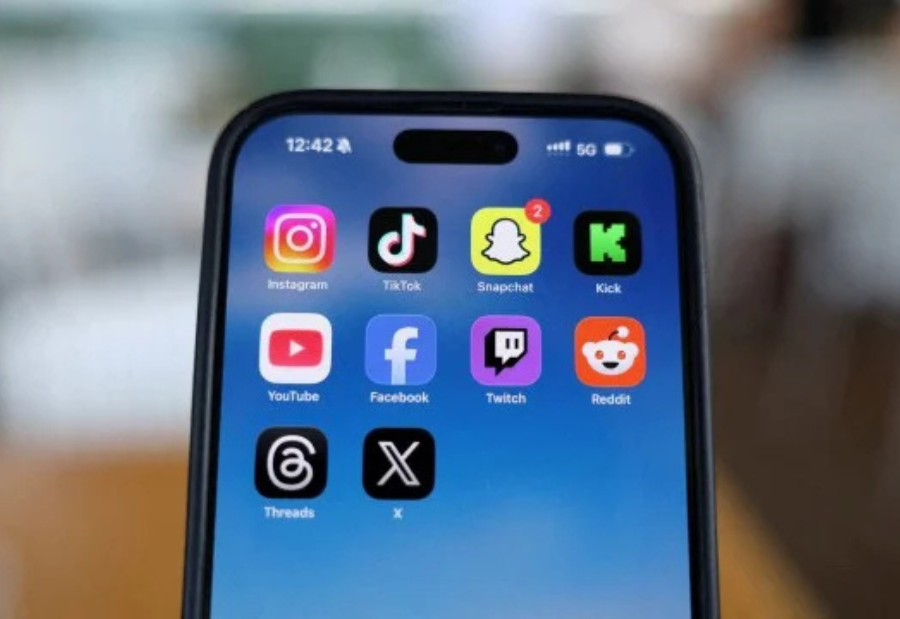
In a significant regulatory shift, India has reduced the time social media companies have to remove unlawful content from 36 hours to just 3 hours after receiving notice. The amended guidelines will come into effect from 20 February and will apply to major platforms such as Meta, YouTube and X. The rules will also cover AI-generated content.
The government has not stated why the takedown window has been shortened. However, critics believe the move signals stronger oversight of online content in the world’s largest democracy, which has more than 1 billion internet users.
Under existing Information Technology rules, authorities have already directed platforms to remove content considered illegal under laws related to national security and public order. Experts say these rules give the government broad powers over online platforms. Transparency reports show that more than 28,000 URLs were blocked in 2024 following government requests.
A media organisation has contacted the ministry of electronics and information technology for comment. Meta declined to respond. X and Google, which owns YouTube, have also been approached for their views.
The updated rules also introduce fresh guidelines for AI-generated material. For the first time, the law defines AI-generated audio and video that is created or altered to appear real, including deepfakes. Regular editing, accessibility tools and genuine educational or design work are excluded.
Platforms that allow users to create or share such content must clearly label it. Where possible, they must add permanent markers to help trace its origin. These labels cannot be removed. Companies are also required to use automated tools to detect and prevent illegal AI content, including deceptive or non-consensual material, false documents, child sexual abuse material, explosives-related content and impersonation.
Digital rights groups have raised concerns. The Internet Freedom Foundation said the compressed timeline would turn platforms into “rapid fire censors” and added, “These impossibly short timelines eliminate any meaningful human review, forcing platforms toward automated over-removal.”
Anushka Jain from the Digital Futures Lab said labelling could improve transparency but warned, “If it gets completely automated, there is a high risk that it will lead to censoring of content.”
Technology analyst Prasanto K Roy called it “perhaps the most extreme takedown regime in any democracy” and said compliance would be “nearly impossible” without heavy automation.
Also read: Viksit Workforce for a Viksit Bharat
Do Follow: The Mainstream formerly known as CIO News LinkedIn Account | The Mainstream formerly known as CIO News Facebook | The Mainstream formerly known as CIO News Youtube | The Mainstream formerly known as CIO News Twitter
About us:
The Mainstream is a premier platform delivering the latest updates and informed perspectives across the technology business and cyber landscape. Built on research-driven, thought leadership and original intellectual property, The Mainstream also curates summits & conferences that convene decision makers to explore how technology reshapes industries and leadership. With a growing presence in India and globally across the Middle East, Africa, ASEAN, the USA, the UK and Australia, The Mainstream carries a vision to bring the latest happenings and insights to 8.2 billion people and to place technology at the centre of conversation for leaders navigating the future.