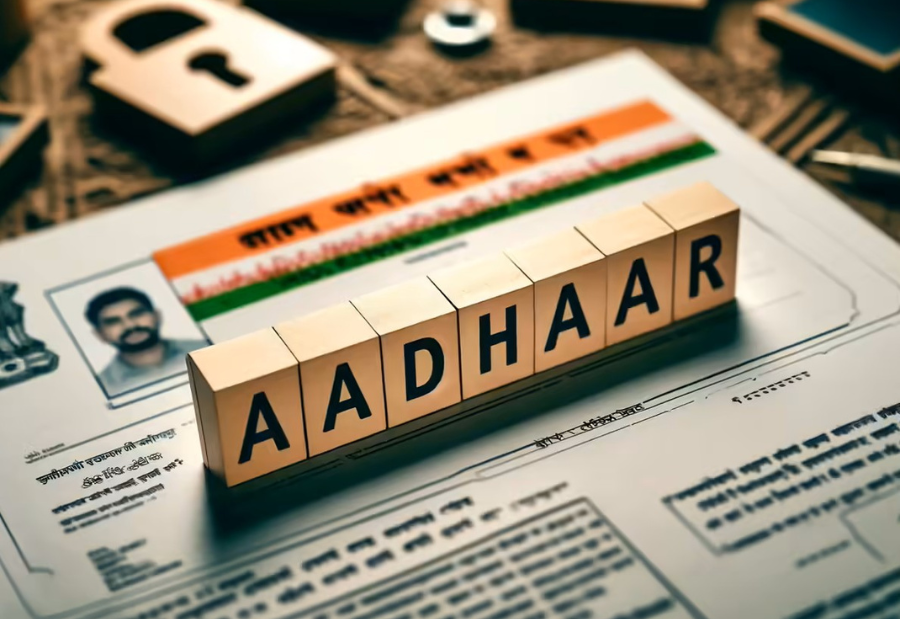
Aadhaar is moving deeper into daily private life in India as new tools make the digital identity system easier to use across services. The government backed Unique Identification Authority of India announced a new Aadhaar app in late January along with offline verification support that lets people prove identity without real time checks against the central database.
The new app allows users to share limited details based on need, such as confirming age without revealing a full date of birth. This can be used across hotels, housing societies, workplaces, platforms and payment devices. The older mAadhaar app will continue to operate alongside it for now. UIDAI is also expanding Aadhaar support in mobile wallets, with integration planned for Google Wallet and discussions underway for Apple Wallet, in addition to existing Samsung Wallet support. The authority is promoting Aadhaar use in policing and hospitality, with the Ahmedabad City Crime Branch becoming the first police unit to link offline Aadhaar verification with PATHIK, a guest monitoring system for hotels and accommodations. UIDAI has also described the app as a digital visiting card that shares selected details through a QR code.
The rollout comes on top of Aadhaar’s massive scale. UIDAI data shows more than 1.4 billion Aadhaar numbers issued and around 2.5 billion authentication transactions processed every month, along with tens of billions of electronic know your customer checks since launch. App data shows strong early uptake, with monthly installs of Aadhaar related apps rising from nearly 2 million in October to about 9 million in December. Officials say offline verification reduces risks linked to photocopies and screenshots, while new rules allow some public and private bodies to verify Aadhaar credentials without querying the central database.
Civil liberties groups say key risks remain unresolved. Raman Jit Singh Chima of Access Now said the expansion creates new threats while India’s data protection system is still being set up. “The fact that this has gone ahead at this point of time seems to indicate a preference to continue the expansion of the use of Aadhaar, even if it is unclear in terms of the further risks that it might pose to the system, as well as to the data of Indians,” he said. SFLC.in legal director Prasanth Sugathan warned that database errors, security lapses and weak grievance systems continue to affect vulnerable users. “Such issues can often result in disenfranchisement of people, especially those who were meant to be benefited by such systems,” he said, adding concerns over data leaks. Campaigners from Rethink Aadhaar also warned of “Aadhaar creep,” arguing private sector use risks bypassing a 2018 Supreme Court ruling that limited such access. The IT ministry and the UIDAI chief did not respond to requests for comment.
Also read: Viksit Workforce for a Viksit Bharat
Do Follow: The Mainstream formerly known as CIO News LinkedIn Account | The Mainstream formerly known as CIO News Facebook | The Mainstream formerly known as CIO News Youtube | The Mainstream formerly known as CIO News Twitter
About us:
The Mainstream is a premier platform delivering the latest updates and informed perspectives across the technology business and cyber landscape. Built on research-driven, thought leadership and original intellectual property, The Mainstream also curates summits & conferences that convene decision makers to explore how technology reshapes industries and leadership. With a growing presence in India and globally across the Middle East, Africa, ASEAN, the USA, the UK and Australia, The Mainstream carries a vision to bring the latest happenings and insights to 8.2 billion people and to place technology at the centre of conversation for leaders navigating the future.