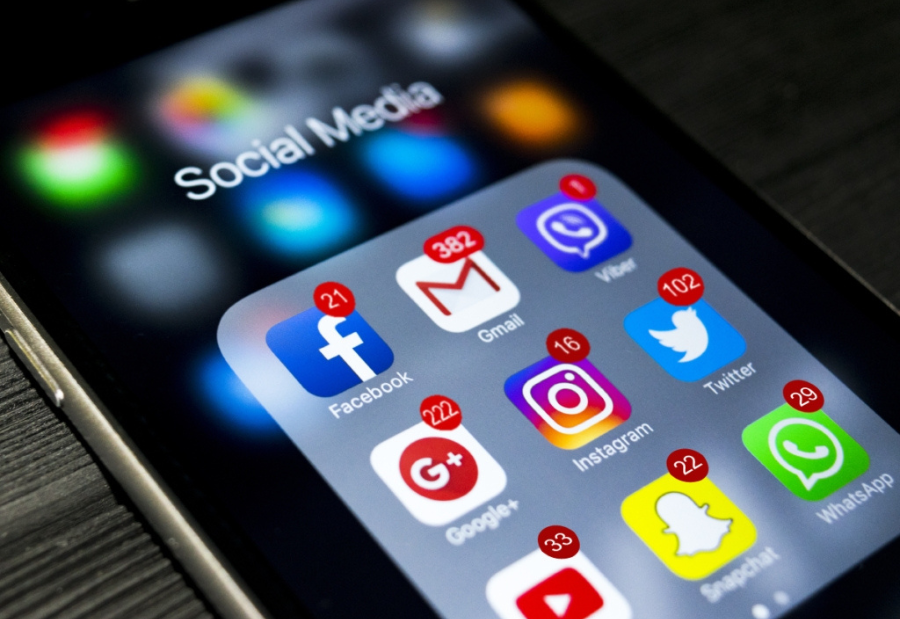
From handwritten letters to instant messaging, human interaction has evolved with every wave of innovation. But nothing has transformed the way we connect quite like social media communication. What began as a simple way to reconnect with old friends on platforms like Orkut or Facebook has become a global ecosystem where conversations, commerce, activism, and culture converge in real time.
As reported by The Mainstream, social media communication has not only redefined how we talk — it’s reshaping how we think, engage, and build relationships in the digital era.
The Communication Revolution Brought by Social Media
From One-to-One to One-to-Many
In the pre-digital world, conversations were private — a phone call, a letter, or an email. Social media made communication public and participatory, allowing one post or tweet to reach millions in seconds. This shift has democratized voice and given individuals a platform as powerful as traditional media outlets.
Rise of Visual Storytelling
Today, visuals dominate digital communication. Emojis, GIFs, short videos, memes, and reels have replaced long text-based posts. A single image or clip can inspire social movements, shape trends, or even influence political discourse. Communication has become faster, more emotional, and universally understood.
Real-Time Connection Across Borders
Social media erased geographic boundaries. A message from Mumbai can be read in New York within seconds. Communities now form around shared interests rather than location — from fandoms and gaming groups to professional and activist circles.
Influence and Trust Shift
Once, communication flowed from institutions and media houses downward. Now, influencers, content creators, and peers drive opinion and behavior. As The Mainstream highlights, the age of social media has decentralized authority — empowering micro-voices to shape public sentiment at scale.
The New Language of Communication
Social media has birthed its own digital dialect — from abbreviations (LOL, BRB) to hashtags (#TBT) and reaction buttons. Algorithms even influence what we see and how we respond. Language has evolved into a blend of words, visuals, and code-driven visibility.
The Flip Side: Challenges of Social Media Communication
While the benefits of social media communication are undeniable, they come with serious challenges:
- Information Overload & Echo Chambers: Algorithms amplify content that aligns with existing beliefs, limiting exposure to diverse viewpoints.
- Erosion of Nuance: Complex issues are often condensed into short, emotionally charged soundbites.
- Misinformation & Manipulation: Viral content spreads faster than facts, fueling misinformation and distrust.
- Decline of Deep Listening: Public debates have shifted toward performance — where “likes” often matter more than meaningful exchange.
According to insights from The Mainstream, striking the balance between openness and authenticity is now one of the biggest communication challenges of the digital age.
The Future Trajectory of Communication on Social Media
AI-Powered Conversations
AI chatbots, virtual influencers, and generative models are reshaping social media communication. Future interactions will be hyper-personalized — with AI anticipating tone, intent, and context to create more meaningful engagement.
The Rise of the Metaverse
The next evolution in digital communication lies in immersive spaces. Virtual and augmented reality (VR/AR) will allow users to “be present” together — not just through text or video, but as digital avatars in shared 3D environments.
Decentralized & Privacy-Focused Networks
Concerns over data misuse are pushing users toward decentralized platforms powered by blockchain. These networks aim to restore ownership and control of personal data to individuals, ensuring privacy in an increasingly connected world.
Shorter Attention Spans, Smarter Content
Micro-content — reels, stories, and threads — will continue to dominate, but AI-driven tools will make it smarter and more interactive to maintain engagement.
Hybrid Human + Machine Communication
As AI assistants integrate into our daily lives, communication will become a partnership between humans and machines — where algorithms help craft tone, structure, and even emotion for optimized interaction.
Closing Thoughts
Social media communication has fundamentally changed how and why we connect. It’s no longer just about sharing information — it’s about expressing identity, influencing communities, and finding belonging in digital spaces.
As emphasized by The Mainstream, the future of communication will be fast, immersive, and AI-enhanced — but the challenge remains timeless: to keep human authenticity at the center of our digital conversations.
The next phase of this journey isn’t about more technology — it’s about more meaningful connections.
Also read: Viksit Workforce for a Viksit Bharat
Do Follow: The Mainstream formerly known as CIO News LinkedIn Account | The Mainstream formerly known as CIO News Facebook | The Mainstream formerly known as CIO News Youtube | The Mainstream formerly known as CIO News Twitter |The Mainstream formerly known as CIO News Whatsapp Channel | The Mainstream formerly known as CIO News Instagram
About us:
The Mainstream formerly known as CIO News is a premier platform dedicated to delivering latest news, updates, and insights from the tech industry. With its strong foundation of intellectual property and thought leadership, the platform is well-positioned to stay ahead of the curve and lead conversations about how technology shapes our world. From its early days as CIO News to its rebranding as The Mainstream on November 28, 2024, it has been expanding its global reach, targeting key markets in the Middle East & Africa, ASEAN, the USA, and the UK. The Mainstream is a vision to put technology at the center of every conversation, inspiring professionals and organizations to embrace the future of tech.