It often starts with an ordinary message and ends with devastating loss. A warning about a pending electricity bill, a small payment request, and a link that appears harmless have become the new tools of cyber fraudsters targeting Indian users, especially senior citizens.
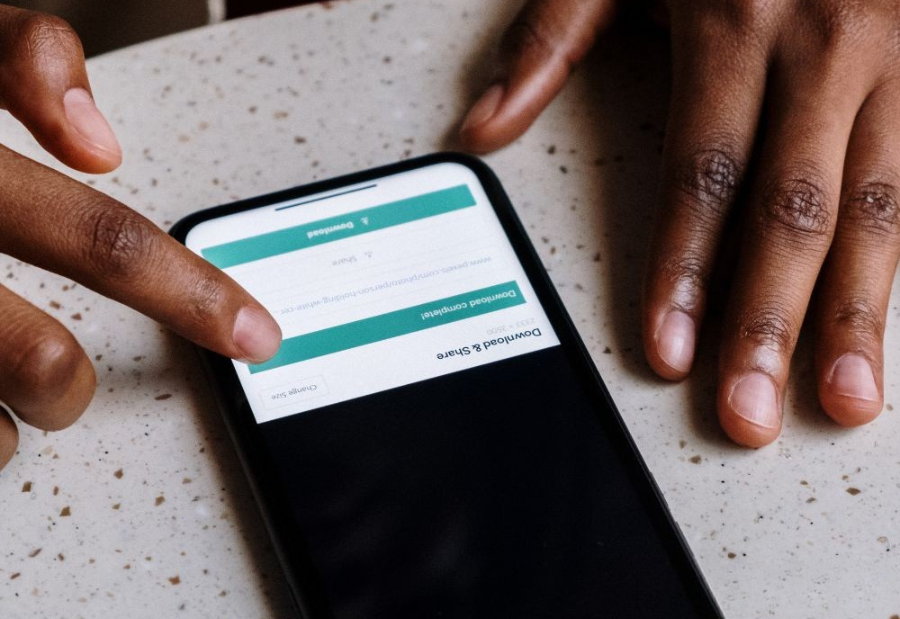
In a common scenario, victims receive a message claiming their electricity connection will be disconnected due to non-payment. The text mentions MAHADISCOM, urges quick action, and asks them to call a number or click a link. On calling, the person is told to pay just Rs 100. A link follows on WhatsApp or SMS. Minutes after completing the transaction, bank alerts reveal lakhs of rupees siphoned off through multiple transfers. The link then vanishes.
Since 2022, the so-called “power bill” scam has emerged as one of the most widespread screen-sharing frauds in India.
Speaking to a news website, Yogesh Vilankar, Deputy Chief Public Relations Officer (CPRO), MSEDCL Nagpur Region, said, “The consumers used to receive a message stating that their electricity connection will soon be disconnected if they do not pay a small sum. The message would be accompanied with a link, which was a link to a screen-sharing application. Through a rigorous awareness campaign, the department had to convey to its consumers that this was a scam.”
Vilankar said awareness messages were widely shared across platforms. MSEDCL also displays safety visuals on its official website. Consumers were informed that the utility never asks customers to contact individuals and only sends SMS from official sender IDs such as VM-MSEDCL, VK-MSEDCL, or AM-MSEDCL.
Explaining the threat, Tarun Wig, Co-founder and CEO, Innefu Labs, said, “Screen-sharing frauds are a type of social engineering fraud in which the attacker persuades the victim to install screen-sharing or remote access programs under the guise of customer support, KYC update, refund, or tech support.”
Sneha Katkar, Head of Product Strategy, Quick Heal Technologies Ltd, added that fraudsters now combine screen sharing with social engineering, enabling live access, covert monitoring, and transaction approvals.
Amit Relan, CEO, mFilterIt, said urgency and fear drive these scams. “A few minutes of remote access is often enough for fraudsters to map a user’s entire financial footprint.”
Pavan Karthick M, Threat Researcher, CloudSEK, warned that phone screen sharing gives scammers real-time visibility of banking apps, OTPs, and notifications. “If you’re sharing the screen on a phone, then everything is possible.”
Experts stress that screen-sharing scams now complement OTP and phishing frauds, making them faster and harder to detect.
Key warning signs include urgent threats, messages from personal mobile numbers, requests to download apps like AnyDesk or TeamViewer, and demands for OTPs or suspicious link clicks.
Protection steps include using only official payment channels, deleting suspicious messages, and never installing apps on request.
If scammed, users should immediately contact their bank, uninstall unknown apps, and report the incident to the cybercrime helpline 1930 or cybercrime.gov.in.
Also read: Viksit Workforce for a Viksit Bharat
Do Follow: The Mainstream formerly known as CIO News LinkedIn Account | The Mainstream formerly known as CIO News Facebook | The Mainstream formerly known as CIO News Youtube | The Mainstream formerly known as CIO News Twitter
About us:
The Mainstream is a premier platform delivering the latest updates and informed perspectives across the technology business and cyber landscape. Built on research-driven, thought leadership and original intellectual property, The Mainstream also curates summits & conferences that convene decision makers to explore how technology reshapes industries and leadership. With a growing presence in India and globally across the Middle East, Africa, ASEAN, the USA, the UK and Australia, The Mainstream carries a vision to bring the latest happenings and insights to 8.2 billion people and to place technology at the centre of conversation for leaders navigating the future.