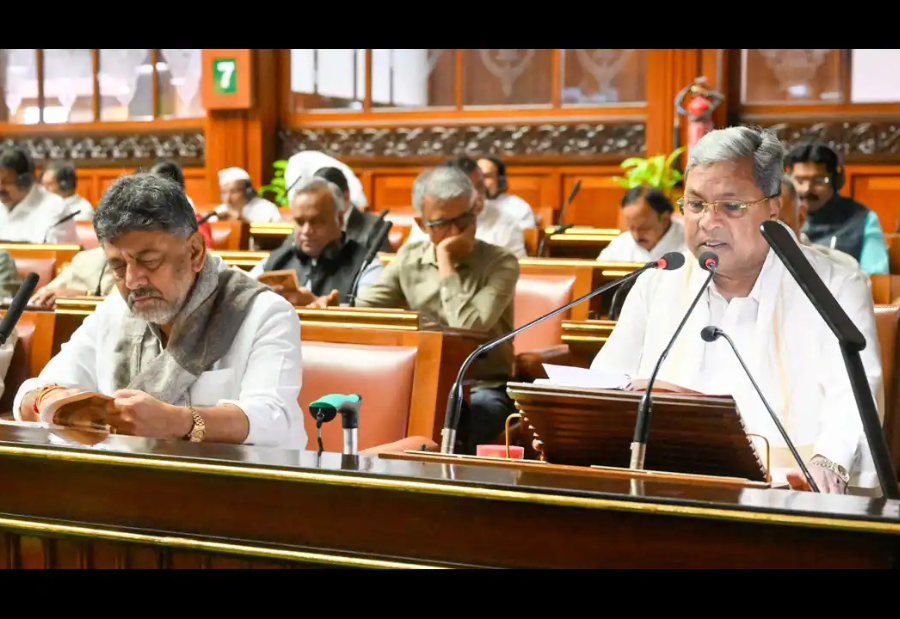
In a significant governance-tech development, the Government of Karnataka has announced plans to establish a dedicated Artificial Intelligence (AI) cell aimed at enhancing policymaking and improving the delivery of welfare schemes across the state. The initiative reflects a broader shift toward intelligence-led governance, where data and AI tools actively inform decision-making rather than merely supporting digital workflows.
The proposed AI cell will function within the state’s administrative ecosystem and collaborate with domain experts, technologists, and data professionals to embed AI-driven insights into public administration. Its focus is expected to include predictive analytics, beneficiary targeting, fraud detection, scheme monitoring, and real-time performance tracking across key departments such as health, rural development, education, transport, and social welfare.
From Digital Governance to AI-Driven Governance
Karnataka, often regarded as India’s technology hub, is now positioning itself at the forefront of AI-led public sector transformation. While e-governance initiatives have improved service access over the past decade, the AI cell signals a move toward anticipatory governance — where algorithms help forecast service demand, identify delivery gaps, and optimize resource allocation before systemic inefficiencies emerge.
The development aligns with a growing national emphasis on responsible AI adoption in government systems. As states explore data-driven administration models, Karnataka’s structured approach could become a benchmark for integrating AI into core governance architecture rather than limiting it to isolated pilot projects.
Enhancing Transparency and Scheme Efficiency
One of the key objectives behind the AI cell is expected to be improving transparency and accountability in welfare scheme execution. By leveraging advanced analytics, the state can potentially reduce leakages, detect anomalies in fund utilization, and ensure targeted delivery of benefits to eligible citizens.
Additionally, AI-enabled dashboards and decision-support systems may empower administrators with real-time insights, enabling faster course correction and more responsive public service delivery.
Strategic Implications
Beyond operational efficiency, the move carries strategic weight. It underscores Karnataka’s ambition to bridge its strong private-sector technology ecosystem with public-sector governance reform. As AI adoption accelerates globally, Indian states are increasingly recognizing the need to institutionalize AI capabilities within government structures.
If implemented with strong data governance frameworks, privacy safeguards, and ethical AI guidelines, Karnataka’s AI cell could represent a pivotal step in redefining how Indian states design and deliver policy in the digital age.
With this announcement, Karnataka signals that the future of governance is not just digital — it is intelligent.
Also read: Viksit Workforce for a Viksit Bharat
Do Follow: The Mainstream LinkedIn | The Mainstream Facebook | The Mainstream Youtube | The Mainstream Twitter
About us:
The Mainstream is a premier platform delivering the latest updates and informed perspectives across the technology business and cyber landscape. Built on research-driven, thought leadership and original intellectual property, The Mainstream also curates summits & conferences that convene decision makers to explore how technology reshapes industries and leadership. With a growing presence in India and globally across the Middle East, Africa, ASEAN, the USA, the UK and Australia, The Mainstream carries a vision to bring the latest happenings and insights to 8.2 billion people and to place technology at the centre of conversation for leaders navigating the future.