Despite a strong start to the fiscal year, fresh signals from Qualcomm point to turbulence ahead for the global smartphone market, driven not by weak demand but by tightening component supplies.
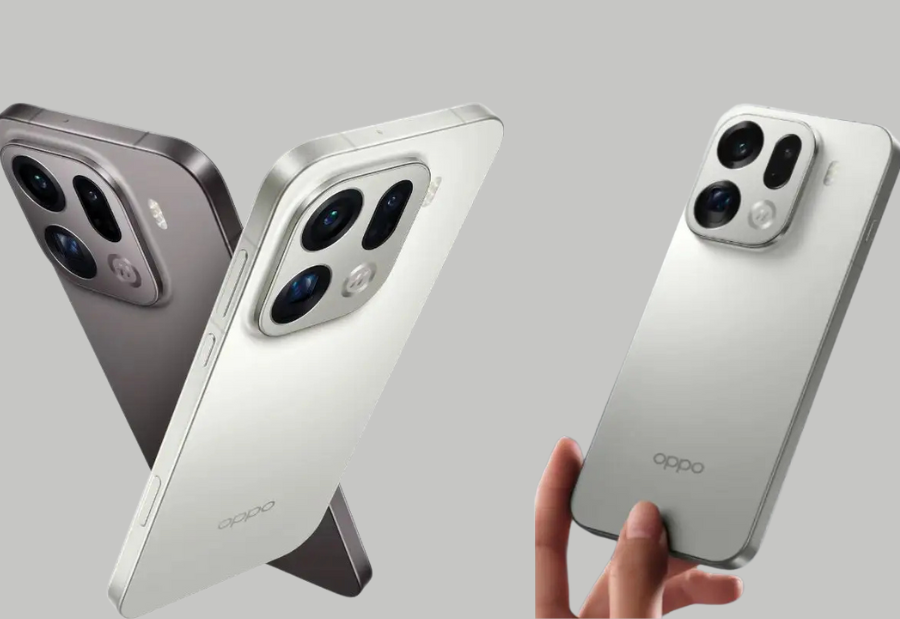
Qualcomm reported solid financial results for its first fiscal quarter of 2026, beating market expectations. However, the company issued a softer revenue outlook for the next quarter, citing a growing shortage of memory components across the consumer electronics industry. During the Q1 2026 earnings call, Qualcomm Chief Financial Officer Akash Palkhiwala said several smartphone makers are already adjusting their production strategies.
For Q2 2026, Qualcomm expects revenue in the range of $10.2 billion to $11 billion, down from $12.2 billion reported in Q1. This indicates an anticipated slowdown. Addressing analyst questions, Palkhiwala clarified that the outlook was not linked to seasonal demand trends, but to constrained global DRAM supply.
“Increasing demand for memory solutions in AI data centres is driving near-term uncertainty in memory supply and pricing for handset OEMs. As a result, the handset OEMs are taking a cautious approach in planning their business. We’ve seen several OEMs, especially in China, take actions to reduce their handset build plans and channel inventory,” Palkhiwala said.
Qualcomm President and CEO Cristiano Amon echoed this view, stating that consumer demand for smartphones remains stable. He explained that the revenue guidance was shaped entirely by supply-side challenges, as memory suppliers are prioritising high-bandwidth memory for artificial intelligence data centres.
“I think the whole fiscal year, mobile handset size will be determined by memory availability, and we’re just going to monitor this on a quarter as, you know, as phones get repriced, tiers kind of shift towards high-end premium, and we’ll see what happens in the marketplace,” Amon said.
His remarks suggested that mid-range and budget smartphones could face the greatest impact from the shortage. Amon also noted that while large brands may be better positioned to manage supply disruptions, no manufacturer will be completely shielded. Although capacity expansion plans are underway, he added that memory availability will depend heavily on how quickly AI-driven data centre investments continue to scale.
Also read: Viksit Workforce for a Viksit Bharat
Do Follow: The Mainstream formerly known as CIO News LinkedIn Account | The Mainstream formerly known as CIO News Facebook | The Mainstream formerly known as CIO News Youtube | The Mainstream formerly known as CIO News Twitter
About us:
The Mainstream is a premier platform delivering the latest updates and informed perspectives across the technology business and cyber landscape. Built on research-driven, thought leadership and original intellectual property, The Mainstream also curates summits & conferences that convene decision makers to explore how technology reshapes industries and leadership. With a growing presence in India and globally across the Middle East, Africa, ASEAN, the USA, the UK and Australia, The Mainstream carries a vision to bring the latest happenings and insights to 8.2 billion people and to place technology at the centre of conversation for leaders navigating the future.