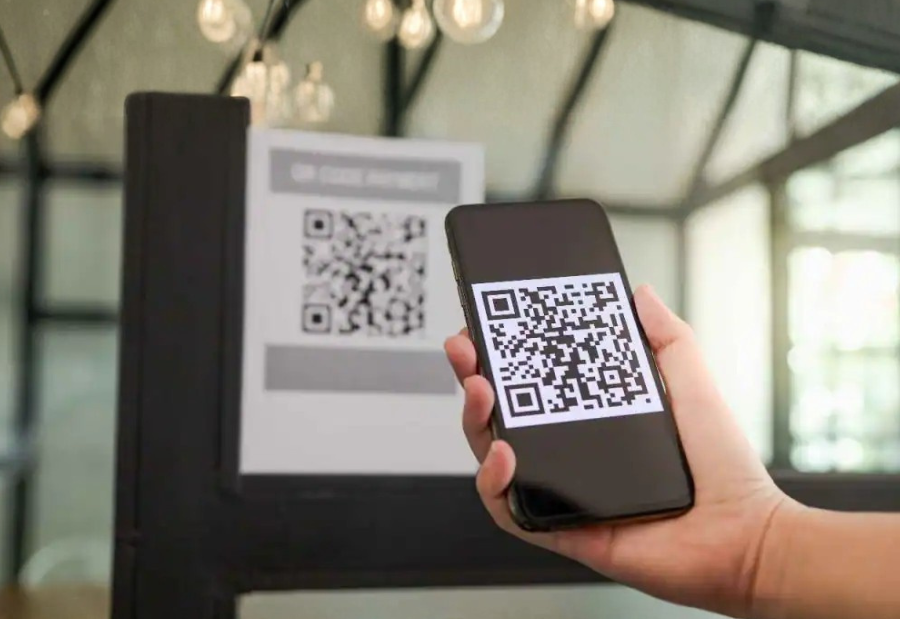
Digital payments have become a daily habit for millions, but a new form of cyber fraud is quietly putting users at risk. Cybercriminals are now using fake QR codes to steal money, harvest personal data, and infect smartphones with malware, often within seconds of a single scan.
Security experts say this scam has moved beyond suspicious calls and messages. Fake QR codes are increasingly being placed in public and commercial spaces such as roadside walls, retail shops, petrol pumps, parking areas, ATMs, electricity poles, and notice boards. In several cases, fraudsters paste counterfeit QR stickers directly over genuine ones, making the deception difficult to spot at first glance.
When a user scans a fake QR code, it redirects them to a fraudulent website or a payment page designed to closely resemble popular UPI apps. The page then asks for sensitive details such as UPI PIN, OTP, bank credentials, or card information. Once these details are entered, fraudsters gain instant access and transfer funds within seconds.
Some QR codes are also linked to malicious links that install malware on the phone without the user noticing. This malware can monitor banking apps, record keystrokes, steal passwords, and access personal data stored on the device.
The rapid growth of UPI and contactless payments has built a high level of trust among users. Many people scan QR codes without checking their source, especially when the code appears to be linked to a shop or service. Fraudsters exploit this trust by using labels like “Scan for Payment,” “Refund QR,” or “Offer Activation.” In many cases, users are told to scan a code to receive a refund, which instead results in unauthorised withdrawals.
How to spot a fake QR code
Experts advise users to stop immediately if a QR scan redirects to an unfamiliar website, contains spelling mistakes, or asks for permissions or information beyond the payment amount. Genuine payment apps never ask for OTPs, UPI PINs, or bank details through external links.
Physical warning signs also matter. QR codes placed at unusual locations, damaged stickers, or multiple layers of pasted codes should raise suspicion. Confirming with the shop owner before scanning can prevent losses.
Steps to stay safe
- Use only trusted payment apps
- Avoid scanning QR codes at unattended public spots
- Never share OTPs, UPI PINs, or banking details
- Cancel transactions that ask for extra information
- Report fraud quickly to the bank and cybercrime helpline
As QR based payments expand, experts stress that safety depends on vigilance, not speed. A few seconds of caution can prevent financial loss and long term data compromise.
Also read: Viksit Workforce for a Viksit Bharat
Do Follow: The Mainstream formerly known as CIO News LinkedIn Account | The Mainstream formerly known as CIO News Facebook | The Mainstream formerly known as CIO News Youtube | The Mainstream formerly known as CIO News Twitter
About us:
The Mainstream is a premier platform delivering the latest updates and informed perspectives across the technology business and cyber landscape. Built on research-driven, thought leadership and original intellectual property, The Mainstream also curates summits & conferences that convene decision makers to explore how technology reshapes industries and leadership. With a growing presence in India and globally across the Middle East, Africa, ASEAN, the USA, the UK and Australia, The Mainstream carries a vision to bring the latest happenings and insights to 8.2 billion people and to place technology at the centre of conversation for leaders navigating the future.