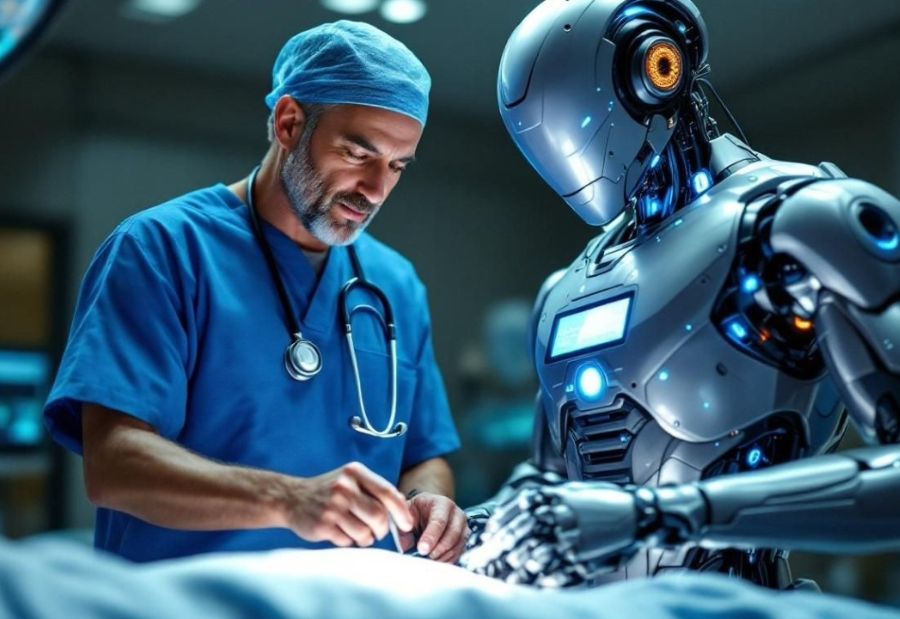
The use of robotics in healthcare is reshaping modern medicine—enhancing patient care, improving surgical precision, and solving critical workforce challenges. As technology continues to evolve, robotics has become an essential part of healthcare systems worldwide, making procedures safer, faster, and more efficient.
Robotics is revolutionizing the healthcare industry, enhancing patient care, improving surgical outcomes, and addressing labor shortages. As technology advances, the integration of robotics into medical practices is becoming more widespread and impactful.
At The Mainstream, the integration of robotics in healthcare is not only transforming hospitals but also redefining how medical professionals deliver care. From surgical robotics to AI-powered diagnostic systems, these advancements are driving a new era of precision medicine and patient-centric healthcare.
- Surgical Robotics
Robotic-assisted surgery is one of the most significant applications in healthcare. Systems like the da Vinci Surgical System allow for greater precision, reduced trauma, and faster recovery times for patients. Surgeons can perform minimally invasive procedures with enhanced control and visualization, improving outcomes and reducing complications. - Robotic Rehabilitation and Therapy
Robotics are playing a crucial role in physical therapy and rehabilitation. Devices like exoskeletons help patients regain mobility after strokes or spinal injuries. Robotic therapy ensures consistent and repetitive movements, which are key to patient recovery.
According to insights from The Mainstream, robotic rehabilitation has proven especially beneficial in reducing recovery times and improving long-term outcomes for patients.
- Automated Hospital Assistance
Robotic systems are increasingly used for tasks such as medication delivery, disinfection, and patient transport. Robots help reduce the burden on healthcare staff, improve efficiency, and minimize the risk of infections through automated cleaning procedures. - Remote Patient Monitoring and Care
Telepresence robots enable doctors to consult with patients remotely, providing care to those in isolated or underserved areas. These robots facilitate real-time communication and allow for remote diagnostics, improving access to healthcare services. - Challenges and Future Trends
Despite its benefits, the adoption of use of robotics in healthcare in healthcare faces challenges such as high costs, training requirements, and regulatory hurdles. However, advancements in AI, machine learning, and 5G connectivity are driving innovations in robotic technologies. Future trends include the use of AI-powered diagnostics, personalized robotic assistants, and even nanorobots for targeted drug delivery.
As The Mainstream believes, the continued fusion of robotics, AI, and healthcare data will redefine what’s possible in medical science—empowering both clinicians and patients alike.
Conclusion
The growing use of robotics in healthcare is transforming patient care, making treatments more precise, efficient, and accessible. As technology continues to evolve, robotics will play an increasingly vital role in addressing healthcare challenges and improving outcomes for patients globally. From robotic surgeries to automated patient care, technology is enhancing every aspect of healthcare delivery.
At The Mainstream, use of robotics in healthcare will play an even greater role in the years to come—bridging human expertise with machine precision to achieve better outcomes, faster recoveries, and a more resilient global healthcare system.
Also read: Viksit Workforce for a Viksit Bharat
Do Follow: The Mainstream formerly known as CIO News LinkedIn Account | The Mainstream formerly known as CIO News Facebook | The Mainstream formerly known as CIO News Youtube | The Mainstream formerly known as CIO News Twitter
About us:
The Mainstream formerly known as CIO News is a premier platform dedicated to delivering latest news, updates, and insights from the tech industry. With its strong foundation of intellectual property and thought leadership, the platform is well-positioned to stay ahead of the curve and lead conversations about how technology shapes our world. From its early days as CIO News to its rebranding as The Mainstream on November 28, 2024, it has been expanding its global reach, targeting key markets in the Middle East & Africa, ASEAN, the USA, and the UK. The Mainstream is a vision to put technology at the center of every conversation, inspiring professionals and organizations to embrace the future of tech.