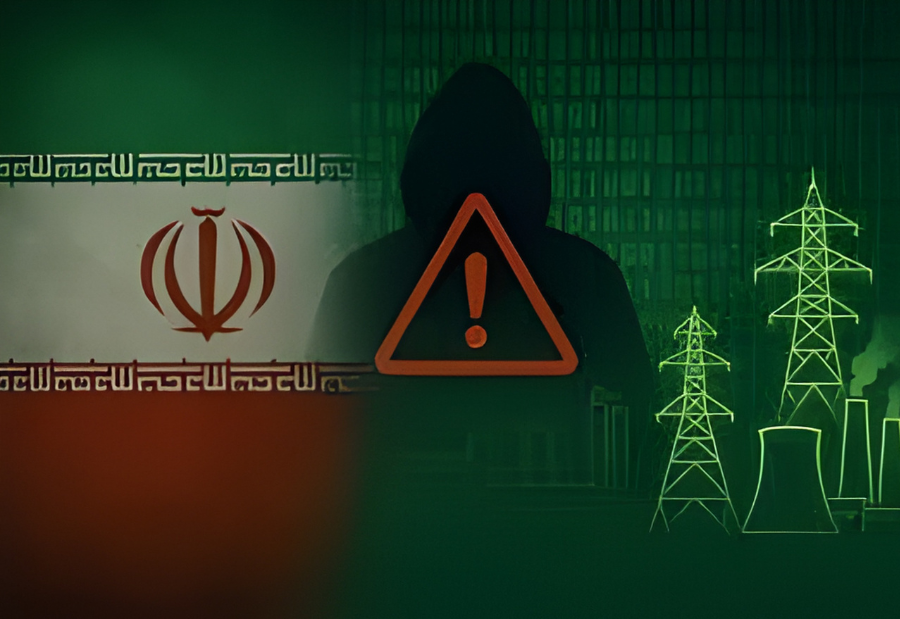
Modern warfare is entering a new phase as cyber operations move from secret missions to openly acknowledged battle strategies. The ongoing conflict between the United States and Iran highlights how digital attacks are now being deployed alongside conventional military strikes. Reports cited by officials suggest that digital warfare played a key role in “Operation Epic Fury,” where online operations were launched ahead of airstrikes to disrupt Iranian command networks. The development reflects a major shift, with digital tactics now publicly recognised as part of active battle plans rather than hidden tools.
During the early stage of the operation, teams from United States Cyber Command and United States Space Command carried out coordinated digital offensives aimed at weakening Iran’s defence infrastructure. These “non-kinetic effects” targeted sensors and communication systems to limit Tehran’s ability to respond effectively. Military officials said the digital operations were integrated with land, air and sea actions to reduce Iran’s operational capacity. Working alongside Israel under “Operation Roaring Lion,” attackers reportedly defaced state media platforms such as Islamic Republic News Agency, hijacked prayer applications to display propaganda messages and triggered internet blackouts in several regions of the country.
Israeli groups also targeted widely used apps and broadcasting platforms to create confusion during physical strikes that began on February 28, 2026. US digital attacks disrupted GPS and AIS tracking systems, affecting more than 1,100 ships in the Gulf and interrupting Iran’s coordination networks. Officials described the intense four-hour digital campaign as a decisive blow that left adversaries “disoriented and confused.” In response, Iran reportedly launched espionage operations, distributed denial-of-service attacks and network probes targeting Israel, Gulf nations and possibly the United States. Pro-Iran hacktivist groups claimed responsibility for more than 150 incidents, although widespread internet outages limited their overall impact.
Security analysts warn that the conflict could spill into global sectors such as energy, finance and information technology. Agencies including the Cybersecurity and Infrastructure Security Agency are already facing growing pressure as digital threats increase during the standoff. Experts say the situation highlights how modern wars are evolving into hybrid conflicts, where digital and physical strategies work in tandem. Disruptions to shipping routes and cargo movement have already created economic ripple effects, demonstrating how online attacks can quickly affect global trade and critical infrastructure.
Also read: Viksit Workforce for a Viksit Bharat
Do Follow: The Mainstream LinkedIn | The Mainstream Facebook | The Mainstream Youtube | The Mainstream Twitter
About us:
The Mainstream is a premier platform delivering the latest updates and informed perspectives across the technology business and cyber landscape. Built on research-driven, thought leadership and original intellectual property, The Mainstream also curates summits & conferences that convene decision makers to explore how technology reshapes industries and leadership. With a growing presence in India and globally across the Middle East, Africa, ASEAN, the USA, the UK and Australia, The Mainstream carries a vision to bring the latest happenings and insights to 8.2 billion people and to place technology at the centre of conversation for leaders navigating the future.