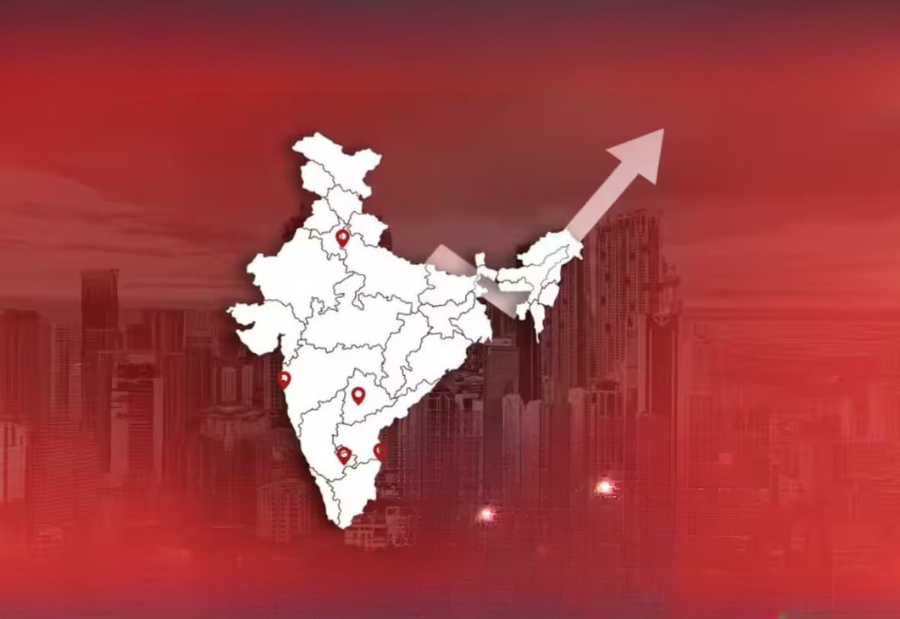
A quiet shift is reshaping global expansion strategies. Global Capability Centres, once dominated by large multinationals, are now becoming a core growth tool for emerging enterprises. At the centre of this change is India, which is rapidly positioning itself as the preferred GCC hub for mid-sized global firms.
By 09/2025, more than 610 emerging enterprises had established GCCs in India, employing over 4.6 lakh professionals. This number is expected to cross 950 by 2030, highlighting how deeply GCCs are now embedded in the growth plans of younger companies.
The appeal lies first in agility and innovation. Indian GCCs allow emerging enterprises to build specialised teams across AI, cloud, data engineering, and machine learning without reshaping their core organisations. These centres function as innovation engines, helping companies test ideas quickly and shorten product launch cycles.
Cost efficiency and speed of setup remain strong drivers, but the value goes beyond savings. India offers a rare combination of competitive operating costs and deep technical talent. Faster setup timelines and scalable operations enable global expansion without heavy upfront investment.
GCCs also play a key role in building digital-first workspaces. As remote and hybrid work become permanent, Indian centres support cloud infrastructure, secure systems, and collaboration platforms that keep global teams connected.
From a business continuity perspective, India’s time-zone advantage supports round-the-clock operations, faster response times, and consistent service delivery. At the same time, access to a broad talent pool allows emerging enterprises to tap engineers, data scientists, and product leaders who increasingly influence global strategy.
As of 09/2025, emerging enterprise GCCs in India generated $14.23 billion in revenue. Nearly 64% of new GCCs set up since 2020 were backed by private equity, reflecting strong investor confidence.
India’s GCC ecosystem now includes 1,800+ companies. Around 34% fall in the $50 million to $2 billion revenue bracket, while 10% are below $50 million and 56% are above $2 billion. Tier-2 cities such as Ahmedabad, Coimbatore, and Vizag now account for about 14% of GCCs, driven by lower costs, lower attrition, and strong local talent.
Trends shaping this shift include AI-led operations, a clear move from cost to value creation, faster leadership opportunities, and the rise of the GCC incubator model, which allows companies to start small and scale quickly.
As AI becomes central to business strategy, GCCs in India are moving from execution to leadership. For emerging enterprises in 2026, India’s GCC ecosystem is no longer optional. It is a strategic necessity.
Also read: Viksit Workforce for a Viksit Bharat
Do Follow: The Mainstream formerly known as CIO News LinkedIn Account | The Mainstream formerly known as CIO News Facebook | The Mainstream formerly known as CIO News Youtube | The Mainstream formerly known as CIO News Twitter
About us:
The Mainstream is a premier platform delivering the latest updates and informed perspectives across the technology business and cyber landscape. Built on research-driven, thought leadership and original intellectual property, The Mainstream also curates summits & conferences that convene decision makers to explore how technology reshapes industries and leadership. With a growing presence in India and globally across the Middle East, Africa, ASEAN, the USA, the UK and Australia, The Mainstream carries a vision to bring the latest happenings and insights to 8.2 billion people and to place technology at the centre of conversation for leaders navigating the future.