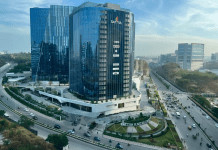
A clear shift is taking shape in India’s Global Capability Center (GCC) landscape as enterprises rethink their long-term talent strategies. While cities like Bengaluru, Hyderabad, and Pune have traditionally dominated the GCC ecosystem, companies in 2026 are now focusing on where talent can scale sustainably in the future.
This evolving approach is pushing organizations to move beyond Tier 1 cities and explore emerging locations as strategic growth hubs. The shift is driven by rising salary costs, high attrition, and intense competition for skills in AI, data, and digital engineering in established metros. At the same time, demand for capabilities in AI, data engineering, cybersecurity, product development, and automation continues to grow rapidly.
As a result, enterprises are increasingly looking at Tier 2 cities not as alternatives but as strong complements to existing hubs. Cities such as Ahmedabad, Gandhinagar, Coimbatore, Indore, Kochi, Thiruvananthapuram, and Jaipur are gaining attention due to improving infrastructure, strong academic ecosystems, and growing talent pools.
These emerging hubs are being considered for key functions such as finance and shared services, data analytics, AI operations, product engineering, cybersecurity, and IT operations. They offer a balanced mix of scalability and operational stability.
The appeal of these cities goes beyond cost savings. Companies benefit from access to untapped talent pools, faster hiring, and higher employee retention. Lower real estate costs and more sustainable salary levels also help optimize overall operating expenses. In addition, supportive government policies, infrastructure investments, and IT park developments are accelerating their readiness for GCC expansion.
A major trend shaping this transition is the move from centralized to distributed GCC models. Enterprises are now adopting multi-city strategies, with a primary Tier 1 hub focused on leadership and innovation, and satellite centers in emerging cities handling execution and specialized roles. This approach improves access to diverse talent, reduces location risks, and strengthens operational resilience.
However, successful expansion requires careful planning. Companies must evaluate talent availability, infrastructure readiness, leadership capabilities, and employee experience before selecting locations.
India’s GCC ecosystem is evolving rapidly, with multi-city networks and AI-driven capabilities becoming the new standard. The focus is no longer on whether to expand beyond Tier 1 cities, but on how effectively organizations can build scalable and future-ready GCC strategies.
Also read: Viksit Workforce for a Viksit Bharat
Do Follow: The Mainstream LinkedIn | The Mainstream Facebook | The Mainstream Youtube | The Mainstream Twitter
About us:
The Mainstream is a premier platform delivering the latest updates and informed perspectives across the technology business and cyber landscape. Built on research-driven, thought leadership and original intellectual property, The Mainstream also curates summits & conferences that convene decision makers to explore how technology reshapes industries and leadership. With a growing presence in India and globally across the Middle East, Africa, ASEAN, the USA, the UK and Australia, The Mainstream carries a vision to bring the latest happenings and insights to 8.2 billion people and to place technology at the centre of conversation for leaders navigating the future.