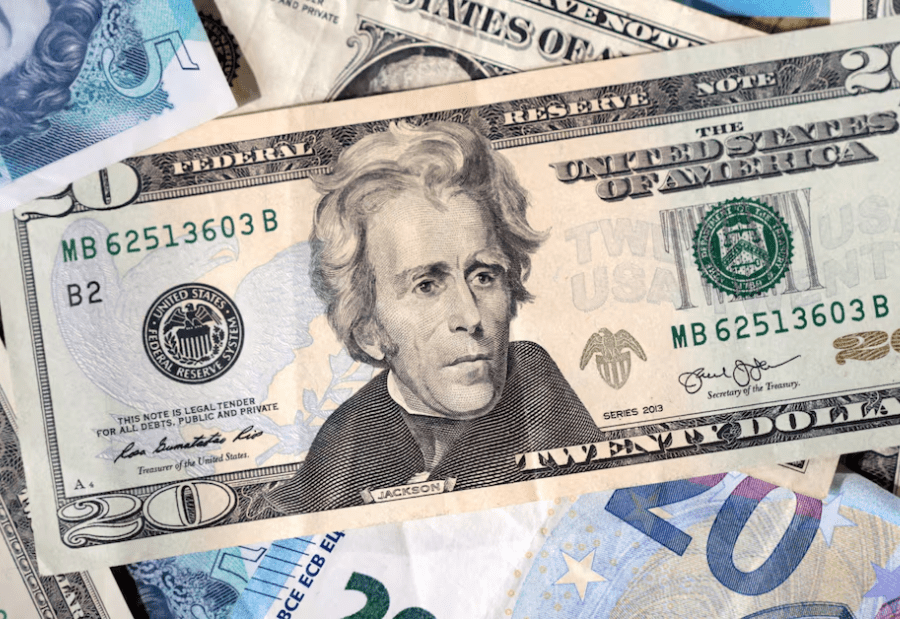
A gradual but clear transition is underway in the global financial system, as countries explore alternatives to the US dollar. While de-dollarisation is not new, recent geopolitical and economic developments have accelerated this trend.
The share of the US dollar in global forex reserves has declined from over 72% in 2001 to 56.7% in 2026, marking its lowest level in 30 years. At the same time, countries are increasingly settling trade in alternative currencies. China has begun using the yuan for some oil transactions, while Russia trades with China in yuan and with India often in rupees.
Central banks are also shifting their reserve strategies. They are purchasing around 1,000 tonnes of gold annually, with gold now surpassing US treasury bonds as the largest global reserve asset.
Several factors are driving this move away from the dollar. Geopolitical risks, including sanctions and asset freezes such as the $300 billion Russian reserves freeze, have raised concerns about overdependence. Policy uncertainty in the US has also pushed countries to seek stability. Many nations are building diversification strategies, creating “Plan B” options through multiple currencies and assets. Additionally, local currency trade helps reduce imported inflation and currency risks.
The shift brings clear advantages. Countries gain greater financial independence and flexibility in policymaking. Exposure to US sanctions reduces, while transaction costs in trade can fall when using domestic currencies. Diversified reserves also strengthen financial resilience.
However, challenges remain. A rapid shift could disrupt global markets and trade flows. No alternative currency currently matches the dollar’s liquidity, trust, and global acceptance. A fragmented multi-currency system may complicate international trade, and geopolitical tensions could rise as countries reduce reliance on the dollar.
Despite growing momentum, the transition is expected to remain gradual. The global system is moving toward diversification rather than complete replacement. As one leader questioned, “why all countries have to base their trade on the dollar?”, yet past predictions of the dollar’s decline have often been overstated.
De-dollarisation is ultimately about reducing risk, not eliminating the dollar. The future points to a multi-currency system where the dollar remains significant but less dominant.
Also read: Viksit Workforce for a Viksit Bharat
Do Follow: The Mainstream LinkedIn | The Mainstream Facebook | The Mainstream Youtube | The Mainstream Twitter
About us:
The Mainstream is a premier platform delivering the latest updates and informed perspectives across the technology business and cyber landscape. Built on research-driven, thought leadership and original intellectual property, The Mainstream also curates summits & conferences that convene decision makers to explore how technology reshapes industries and leadership. With a growing presence in India and globally across the Middle East, Africa, ASEAN, the USA, the UK and Australia, The Mainstream carries a vision to bring the latest happenings and insights to 8.2 billion people and to place technology at the centre of conversation for leaders navigating the future.