As policymakers prepare for the next fiscal roadmap, attention is turning to how Budget 2026 could address growth challenges while responding to industry and household expectations.
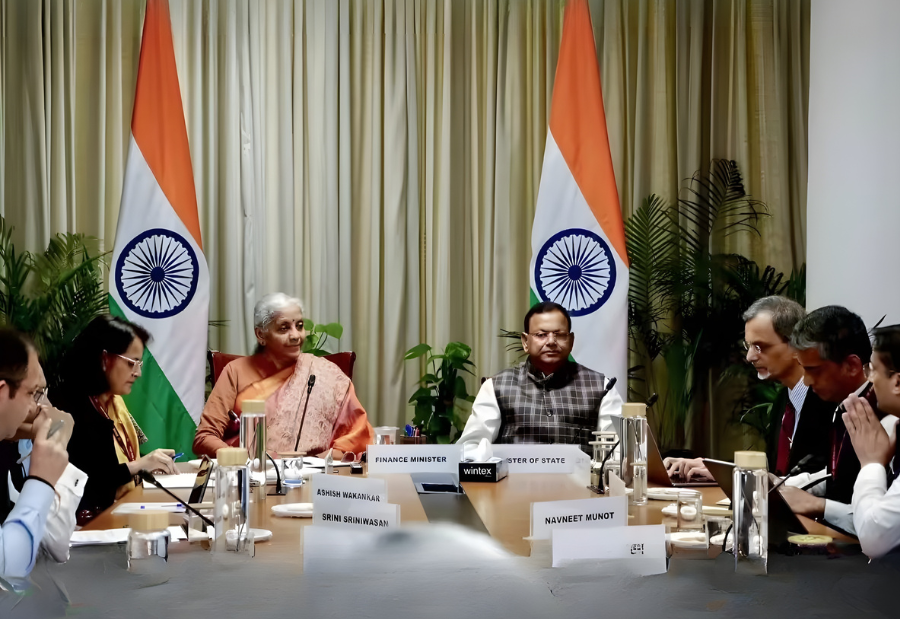
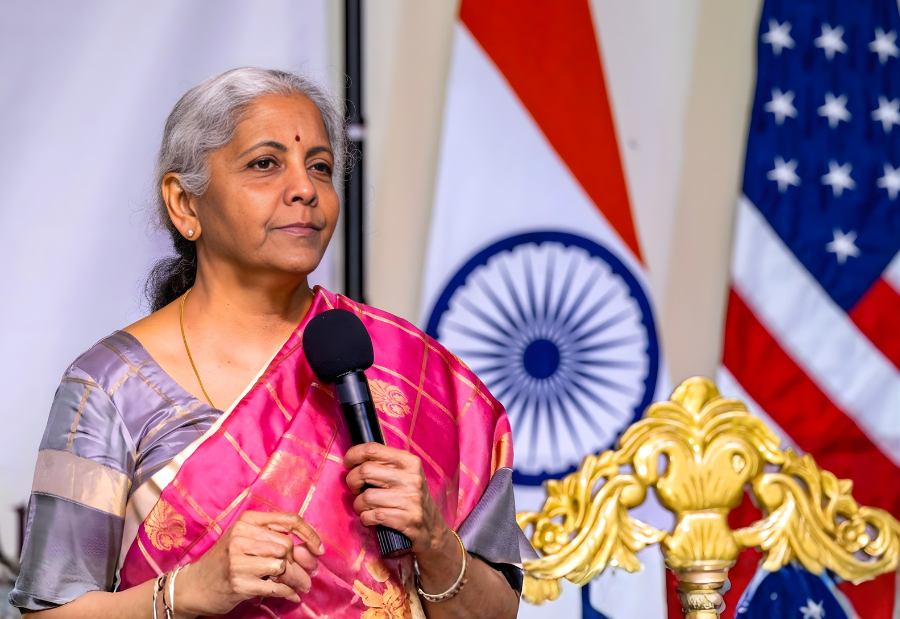
Finance Minister Nirmala Sitharaman is set to present the Union Budget for FY27 on February 01. The Budget will be tabled at a time of slowing global growth, shifting domestic priorities, and rising demand for targeted policy support. The Budget Session of Parliament will begin on January 28 and run until April 02, with the annual Economic Survey scheduled to be presented ahead of the Budget.
In the lead-up, industry bodies, economists, and sector experts have outlined a wide range of expectations. These include measures to support growth, maintain fiscal discipline, and push structural reforms aimed at boosting investment, productivity, and employment.
For the consumer durables sector, stakeholders are calling for targeted interventions to sustain momentum. Key expectations include extending Production Linked Incentive (PLI) benefits to energy-efficient consumer durables, rationalising GST rates on cooling appliances, and incentivising local component manufacturing. Improving access to working capital, especially for MSME-led distribution networks, is also seen as critical to supporting long-term sector growth.
The upcoming Budget is also being closely watched by India’s startup ecosystem. As startups transition from the “design” phase to the “execution” phase in 2026, founders and investors are looking for clarity on unresolved structural issues, starting with the taxation of Employee Stock Option Plans (ESOPs). ESOPs continue to be a key tool for talent retention and wealth creation, but long-standing ambiguities around their taxation remain a concern for the sector.
With expectations running high across sectors, Budget 2026 is seen as a key opportunity for the government to balance growth support with reform-oriented measures. Industry voices believe that well-calibrated policy decisions, especially around manufacturing incentives, indirect taxes, and startup taxation, could play a decisive role in shaping economic outcomes in the year ahead.
Also read: Viksit Workforce for a Viksit Bharat
Do Follow: The Mainstream formerly known as CIO News LinkedIn Account | The Mainstream formerly known as CIO News Facebook | The Mainstream formerly known as CIO News Youtube | The Mainstream formerly known as CIO News Twitter
About us:
The Mainstream is a premier platform delivering the latest updates and informed perspectives across the technology business and cyber landscape. Built on research-driven, thought leadership and original intellectual property, The Mainstream also curates summits & conferences that convene decision makers to explore how technology reshapes industries and leadership. With a growing presence in India and globally across the Middle East, Africa, ASEAN, the USA, the UK and Australia, The Mainstream carries a vision to bring the latest happenings and insights to 8.2 billion people and to place technology at the centre of conversation for leaders navigating the future.