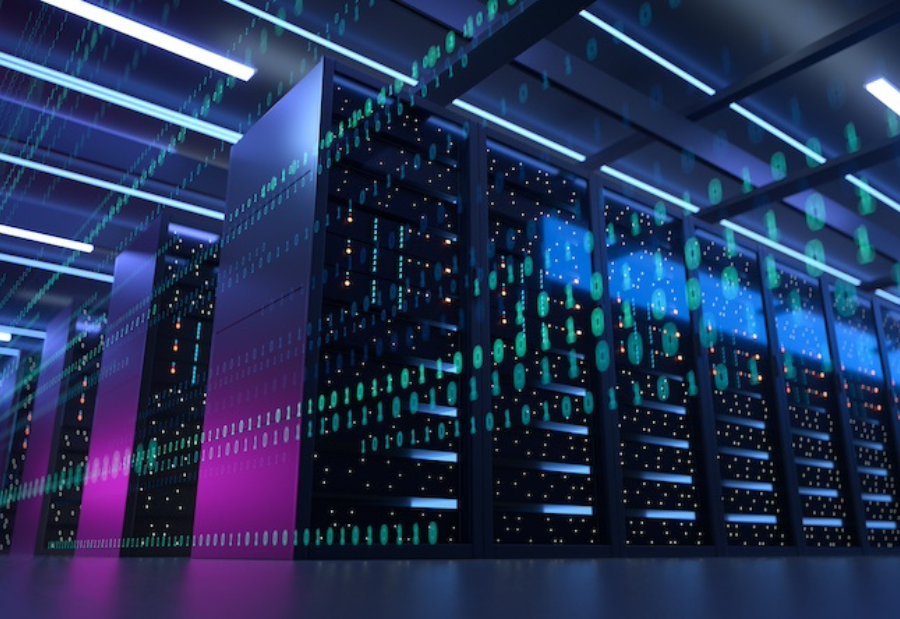
As the global race to build artificial intelligence infrastructure accelerates, the world’s largest technology companies are restructuring how they fund and manage massive data centre expansions.
In recent months, Microsoft announced deals worth tens of billions of dollars to lease computing power for its AI plans. Meta secured close to $30 billion in financing to develop a large data centre in Louisiana without adding the debt to its own balance sheet. Google also committed to renting computing capacity from a smaller firm and reselling part of it to OpenAI.
These moves have a shared goal. They allow highly profitable tech giants to limit their direct financial exposure to the rapid and uncertain expansion of data centres. The strategy shifts a significant part of the long term risk to smaller companies and lenders eager to participate in the AI boom.
Trillions of dollars are at stake as companies try to predict future demand for AI computing. If demand slows, the firms building and financing the facilities could be left holding assets that no longer deliver expected returns.
“Risk is like a tube of toothpaste,” said Shivaram Rajgopal, an accounting professor at Columbia Business School. “You press it here, it is going to come out somewhere else. It’s always in the system, it’s a matter of where.”
Meta’s Louisiana project highlights this approach. The company set up a special purpose vehicle called Beignet Investor LLC and partnered with private credit firm Blue Owl Capital. While Meta handled construction, Blue Owl covered about 80% of the financing. Meta then agreed to rent the facility through a series of 4 year leases, allowing the costs to be recorded as operating expenses rather than debt.
“Instead, Meta is renting risk,” said Solomon Feig, a private credit lender at Pinnacle Private Credit.
The project, known as Hyperion, was largely funded through bonds sold to institutional investors, with maturities extending to 2049. If AI demand weakens, Meta can exit the deal as early as 2033, depending on conditions outlined in the agreement.
Other tech companies are adopting similar models. Microsoft has signed multiple short term contracts with newer data centre providers, often for 3 to 5 years. These arrangements allow flexibility and reduce long term commitments.
Microsoft said its infrastructure strategy focuses on adapting to both near term and long term demand signals. “You don’t want to be upside down,” CEO Satya Nadella said earlier this year.
Industry experts note that the sheer scale of AI investment makes it impossible to eliminate risk entirely. Instead, the largest players are spreading it across the ecosystem.
“It is very savvy of them,” said Alex Platt, an analyst at an investment bank. “There are only a handful of companies that can even do it.”
Also read: Viksit Workforce for a Viksit Bharat
Do Follow: The Mainstream formerly known as CIO News LinkedIn Account | The Mainstream formerly known as CIO News Facebook | The Mainstream formerly known as CIO News Youtube | The Mainstream formerly known as CIO News Twitter
About us:
The Mainstream is a premier platform delivering the latest updates and informed perspectives across the technology business and cyber landscape. Built on research-driven, thought leadership and original intellectual property, The Mainstream also curates summits & conferences that convene decision makers to explore how technology reshapes industries and leadership. With a growing presence in India and globally across the Middle East, Africa, ASEAN, the USA, the UK and Australia, The Mainstream carries a vision to bring the latest happenings and insights to 8.2 billion people and to place technology at the centre of conversation for leaders navigating the future.