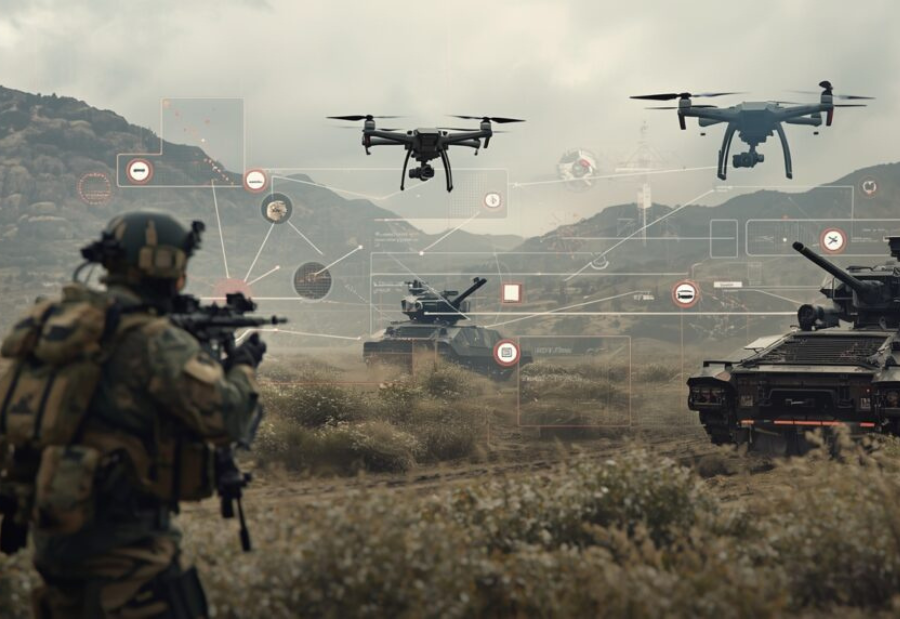
Artificial intelligence is beginning to reshape how wars are planned, analysed and executed. What once required days of intelligence gathering and strategic evaluation can now unfold within minutes.
Recent developments in tensions involving Iran have highlighted the growing role of AI-assisted systems in military operations. Analysts say these technologies are compressing the time required for critical battlefield decisions and introducing a new level of speed into modern conflict.
The shift signals a broader transformation in defence technology, where machine learning systems are increasingly being used to process intelligence and support operational planning.
AI and the changing intelligence cycle
Military strategy has long depended on analysing large volumes of information from satellites, surveillance systems and electronic signals. Traditionally, teams of analysts examined this data before passing recommendations to senior commanders.
Artificial intelligence is now accelerating this process.
AI systems can scan massive datasets in real time, identify patterns and flag potential targets for further evaluation. By automating parts of intelligence analysis, these tools help military planners process information faster than conventional methods allow.
The result is a significant reduction in the time it takes to move from intelligence gathering to operational action.
Shortening the military decision chain
Defence strategists often describe the process of identifying and striking a target as the “kill chain”. This includes locating the target, verifying intelligence, authorising action and executing a strike.
AI technologies are helping compress several stages of this chain.
Machine learning systems can rapidly analyse intelligence feeds from drones, satellites and communication networks. These systems are able to prioritise targets and generate recommendations for commanders based on the available data.
While final decisions still require human approval, the speed of algorithmic analysis means recommendations can arrive almost instantly.
Warfare at machine speed
The growing role of artificial intelligence in defence systems is also changing the scale at which operations can be coordinated.
Automated data processing allows militaries to plan and execute complex operations more quickly. Intelligence assessments that once required extended analysis can now be completed in far shorter time frames.
For defence planners, this acceleration creates both strategic advantages and new operational challenges. Faster decision cycles can provide tactical benefits, but they also leave less time for human evaluation.
Researchers refer to this phenomenon as decision compression, where the speed of machine analysis reduces the window available for human judgement.
Ethical and security concerns
The rapid integration of artificial intelligence into military systems has sparked debate among policymakers, defence experts and technologists.
Critics warn that heavy reliance on algorithmic recommendations could make it harder for human commanders to fully assess the consequences of military action. Faster targeting processes may also reduce the time available to evaluate civilian risk.
Human rights groups and policy experts are calling for stronger governance frameworks to ensure that AI systems in defence remain under clear human oversight.
A defining shift in defence technology
Despite the concerns, governments around the world are investing heavily in artificial intelligence for national security and defence.
AI is already being explored for intelligence analysis, logistics planning, cyber defence and battlefield coordination. As these capabilities expand, machine learning is likely to play an increasingly influential role in military strategy.
The emergence of AI-assisted warfare reflects a broader technological shift. As artificial intelligence becomes more integrated into critical systems, the challenge for governments will be balancing innovation with responsible oversight.
For defence leaders and technology developers alike, the decisions made today may define how future conflicts are shaped.
Also read: Viksit Workforce for a Viksit Bharat
Do Follow: The Mainstream LinkedIn | The Mainstream Facebook | The Mainstream Youtube | The Mainstream Twitter
About us:
The Mainstream is a premier platform delivering the latest updates and informed perspectives across the technology business and cyber landscape. Built on research-driven, thought leadership and original intellectual property, The Mainstream also curates summits & conferences that convene decision makers to explore how technology reshapes industries and leadership. With a growing presence in India and globally across the Middle East, Africa, ASEAN, the USA, the UK and Australia, The Mainstream carries a vision to bring the latest happenings and insights to 8.2 billion people and to place technology at the centre of conversation for leaders navigating the future.