


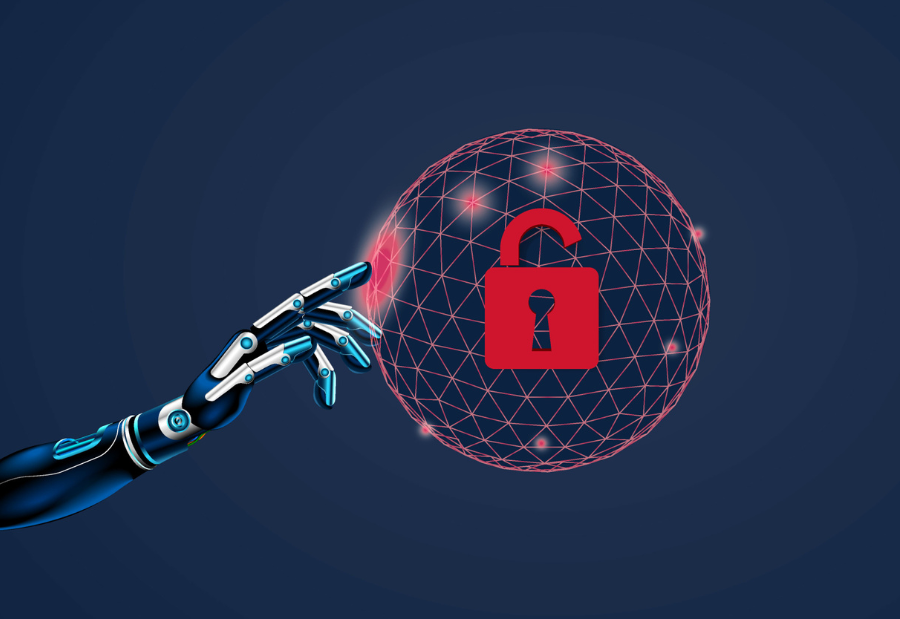
Within Security Operations (SecOps) teams—the frontline defenders of digital enterprises—Artificial Intelligence (AI) is both a game-changer and a source of caution. It promises unmatched speed and accuracy in threat detection but also introduces new risks, complexities, and questions about control and accountability.
At The Mainstream, SecOps and AI are shaping a new cybersecurity era where automation, intelligence, and human oversight must coexist.
The Optimism: AI as a Force Multiplier
SecOps teams operate under immense pressure. The sheer volume of alerts, logs, and potential vulnerabilities can be overwhelming. AI in cybersecurity offers a powerful advantage—its ability to process vast datasets and detect anomalies in real time.
Threat Detection & Response at Scale
Machine learning models can identify suspicious patterns and potential breaches far faster than human analysts. AI-powered SIEM (Security Information and Event Management) tools can sift through millions of events, highlighting those that truly matter.
Automation of Repetitive Tasks
Tasks such as triaging low-level alerts, analyzing malware behavior, or correlating threat intelligence can be automated. This frees analysts to focus on complex investigations and strategic defense.
Predictive Capabilities
AI helps SecOps move from reactive defense to proactive security—predicting attack patterns, identifying vulnerabilities, and reinforcing defenses before adversaries strike.
In short, AI in SecOps is viewed as a vital ally in an escalating cyber arms race where attackers are getting faster, smarter, and more sophisticated.
The Caution: AI as a Black Box
Despite its promise, many cybersecurity professionals remain cautious. AI’s complexity brings both technical and ethical challenges.
Explainability Concerns
Many AI models in security operations act as “black boxes.” If an algorithm flags a potential breach but can’t explain why, analysts may hesitate to act. In cybersecurity, transparency is critical—decisions without context can lead to errors or delays.
False Positives & Negatives
Poorly tuned AI systems can overwhelm teams with false alerts or, worse, overlook genuine threats. Both outcomes waste valuable time and resources.
Adversarial AI
Hackers are also leveraging AI to generate deepfakes, craft personalized phishing campaigns, or deceive detection systems. This has created an “AI vs AI” battleground, forcing SecOps to adapt continually.
Over-Reliance Risks
Some seasoned professionals worry that teams may become overly dependent on automation, losing the human intuition and contextual judgment that remain vital in cyber defense.
According to insights from The Mainstream, the future of cybersecurity lies in balance—where AI amplifies human capability rather than replacing it.
The Mixed Feelings: Human-Machine Collaboration
The consensus among most SecOps professionals is clear: AI is neither savior nor threat—it’s a tool. Like firewalls and antivirus before it, AI will find its rightful place in the cybersecurity arsenal.
Human-in-the-Loop Security
Experts emphasize the importance of keeping humans at the helm. AI can assist and accelerate, but critical decision-making must remain in human hands.
Continuous Training & Governance
AI-powered SecOps platforms require ongoing monitoring, retraining, and governance to ensure fairness, accuracy, and reliability. Without strong AI governance, even the best systems can produce flawed outcomes.
Cultural Transformation
Adopting AI in SecOps isn’t just about technology—it’s about people. Teams must adapt workflows, enhance trust in AI-driven insights, and develop new skills to interpret and manage machine intelligence responsibly.
So, How Does SecOps Really Feel About AI?
If AI were a colleague, SecOps teams might describe it as the brilliant yet unpredictable new recruit—fast, efficient, but still learning to play by the rules. Analysts welcome the support but remain vigilant, knowing that ultimate accountability still rests with humans.
The Mainstream believes that the future of Security Operations lies in a hybrid human-AI model, where intelligent automation and human expertise combine to build resilient, adaptive cyber defenses.
The emerging consensus is simple:
- AI is here to stay, and ignoring it isn’t an option.
- But blind reliance is risky—trust must be earned through transparency, governance, and collaboration.
SecOps and AI share a cautious partnership built on mutual dependence. While AI accelerates detection and response, true cybersecurity resilience will always require human insight, intuition, and ethical oversight.
As emphasized by The Mainstream, the key isn’t choosing between human or machine—it’s learning how to make them work smarter, together.
Also read: Viksit Workforce for a Viksit Bharat
Do Follow: The Mainstream formerly known as CIO News LinkedIn Account | The Mainstream formerly known as CIO News Facebook | The Mainstream formerly known as CIO News Youtube | The Mainstream formerly known as CIO News Twitter |The Mainstream formerly known as CIO News Whatsapp Channel | The Mainstream formerly known as CIO News Instagram
About us:
The Mainstream formerly known as CIO News is a premier platform dedicated to delivering latest news, updates, and insights from the tech industry. With its strong foundation of intellectual property and thought leadership, the platform is well-positioned to stay ahead of the curve and lead conversations about how technology shapes our world. From its early days as CIO News to its rebranding as The Mainstream on November 28, 2024, it has been expanding its global reach, targeting key markets in the Middle East & Africa, ASEAN, the USA, and the UK. The Mainstream is a vision to put technology at the center of every conversation, inspiring professionals and organizations to embrace the future of tech.