


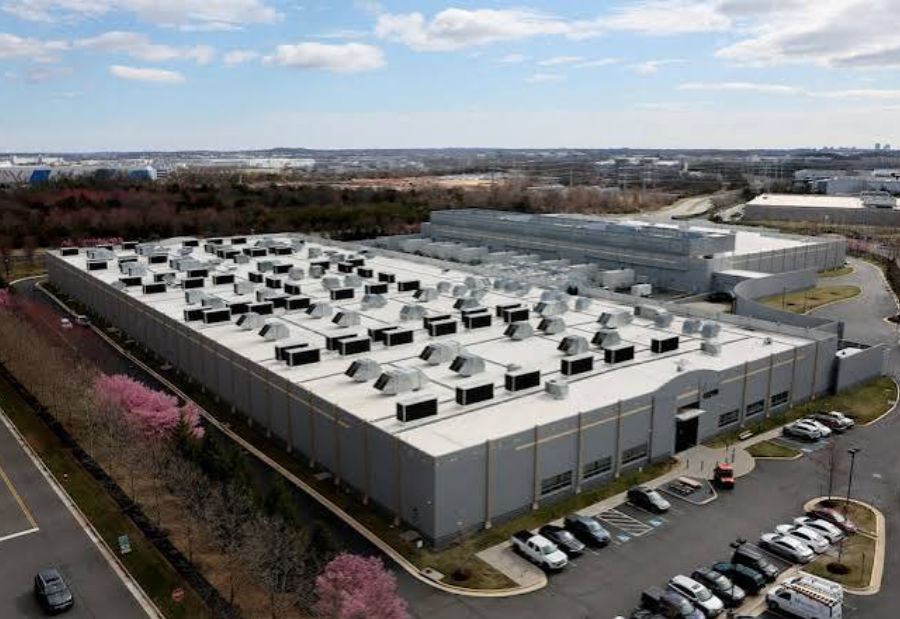
Some investors are adjusting their AI investment strategies as concerns grow over high valuations in AI chipmakers and the long-term pace of spending by hyperscale technology companies. While AI infrastructure investment remains strong, expectations of slower spending growth are encouraging investors to look beyond semiconductor stocks.
For the past 2 years, investors heavily backed semiconductor and AI infrastructure companies, expecting Microsoft, Amazon, Alphabet, and Meta to continue increasing investments in data center expansion. However, UBS estimates hyperscaler capital expenditure will grow 76% to $673 billion this year, before slowing to 25% growth next year and 6% in 2028.
Some active fund managers have already reduced their exposure to chipmakers and increased investments in hyperscalers, whose shares have significantly lagged the rally seen in semiconductor companies. Investors are also increasing allocations to software companies and industries expected to benefit from AI adoption, including financial services and healthcare.
“Once they stop increasing their capex, it will definitely be a relief for hyperscalers and a negative signal for the semi industry,” said Alexis Bossard, Global Equity Portfolio Manager at Edmond de Rothschild Asset Management, who has reduced exposure to semiconductor stocks, citing high valuations relative to future expectations.
According to Bank of America’s July fund manager survey, 82% of respondents identified semiconductors as the most crowded investment, while none reported short positions in the sector.
Bossard has increased investments in Amazon and favors sectors including liquid cooling, cybersecurity, and selected software companies. “We have a massive underexposure to semis right now.”
LFG+ZEST Chief Investment Officer Alberto Conca has also reduced holdings in memory-chip and semiconductor equipment companies while increasing positions in hyperscalers and healthcare stocks. He has further supported this strategy by purchasing put options on selected semiconductor companies.
After initially funding AI infrastructure through internal cash reserves, hyperscalers are increasingly turning to external financing. This has raised questions about whether future capital market conditions could slow the pace of AI infrastructure investment.
The corporate debt market has absorbed billions of dollars in bond issuances from major technology companies this year. However, Apollo Chief Economist Torsten Slok noted that investor demand has weakened, with bond cover ratios falling to below 2x in July, compared with nearly 5x in February.
Also read: Viksit Workforce for a Viksit Bharat
Do Follow: The Mainstream LinkedIn | The Mainstream Facebook | The Mainstream Youtube | The Mainstream Twitter
About us:
The Mainstream is a premier platform delivering the latest updates and informed perspectives across the technology business and cyber landscape. Built on research-driven, thought leadership and original intellectual property, The Mainstream also curates summits & conferences that convene decision makers to explore how technology reshapes industries and leadership. With a growing presence in India and globally across the Middle East, Africa, ASEAN, the USA, the UK and Australia, The Mainstream carries a vision to bring the latest happenings and insights to 8.2 billion people and to place technology at the centre of conversation for leaders navigating the future.