


Gujarat has unveiled an ambitious plan to establish itself as India’s leading biotechnology and biomanufacturing hub by 2030, with a strong emphasis on developing skilled talent, expanding specialised education and strengthening industry-focused training. The roadmap is detailed in a report released by the Gujarat Rajya Institute for Transformation (GRIT).
Titled “Gujarat Bio-Economy 2030: Strategic Skill Architecture and Workforce Development,” the report highlights the rapid growth of India’s bio-economy, which has expanded from around $10 billion in 2014 to more than $150 billion in 2024. Supported by the Centre’s BioE3 Policy (Biotechnology for Economy, Environment and Employment), India aims to build a $300 billion bio-economy by the end of the decade, with Gujarat expected to play a significant role.
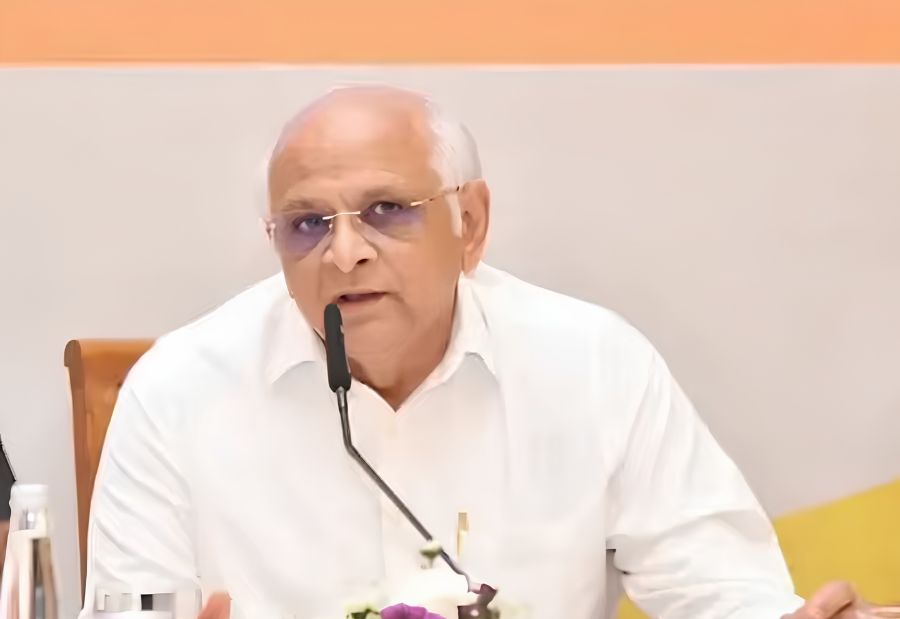
The report notes that Gujarat is well positioned to support this target as it accounts for around 40% of India’s pharmaceutical production and is one of the country’s leading chemical manufacturing hubs. Under the leadership of Chief Minister Bhupendra Patel, the state plans to strengthen its biotechnology and biomanufacturing ecosystem by leveraging its industrial base and expanding its skilled workforce.
According to the report, biopharma, which contributes around 35% of India’s bio-economy, continues to grow through vaccines, therapeutics and diagnostics. India currently supplies more than 35% of global vaccine demand, with emerging technologies such as mRNA and viral vectors expected to further strengthen this position.
The bio-industrial segment contributes around 47% of the sector and is witnessing increasing demand for fermentation technology specialists, supported by the growth of bio-based chemicals and India’s 20% ethanol blending programme. Bio-agriculture, accounting for around 8% of the sector, is also expanding through technologies such as CRISPR-based crops and bio-fertilisers.
The report highlights Gujarat’s strong manufacturing ecosystem, research institutions, progressive policy framework, 1,600-km coastline and diverse agricultural base as key advantages. It also points to the Gujarat State Biotechnology Policy 2022–27, which aims to move beyond generic medicine manufacturing and promote the development of innovative biologics.
As part of the study, GRIT assessed 23 institutions offering biotechnology and related programmes across Gujarat. The report concludes that while the state already has a solid educational foundation, there is an opportunity to further align academic programmes with evolving industry requirements to build a future-ready biotechnology workforce.
Also read: Viksit Workforce for a Viksit Bharat
Do Follow: The Mainstream LinkedIn | The Mainstream Facebook | The Mainstream Youtube | The Mainstream Twitter
About us:
The Mainstream is a premier platform delivering the latest updates and informed perspectives across the technology business and cyber landscape. Built on research-driven, thought leadership and original intellectual property, The Mainstream also curates summits & conferences that convene decision makers to explore how technology reshapes industries and leadership. With a growing presence in India and globally across the Middle East, Africa, ASEAN, the USA, the UK and Australia, The Mainstream carries a vision to bring the latest happenings and insights to 8.2 billion people and to place technology at the centre of conversation for leaders navigating the future.