


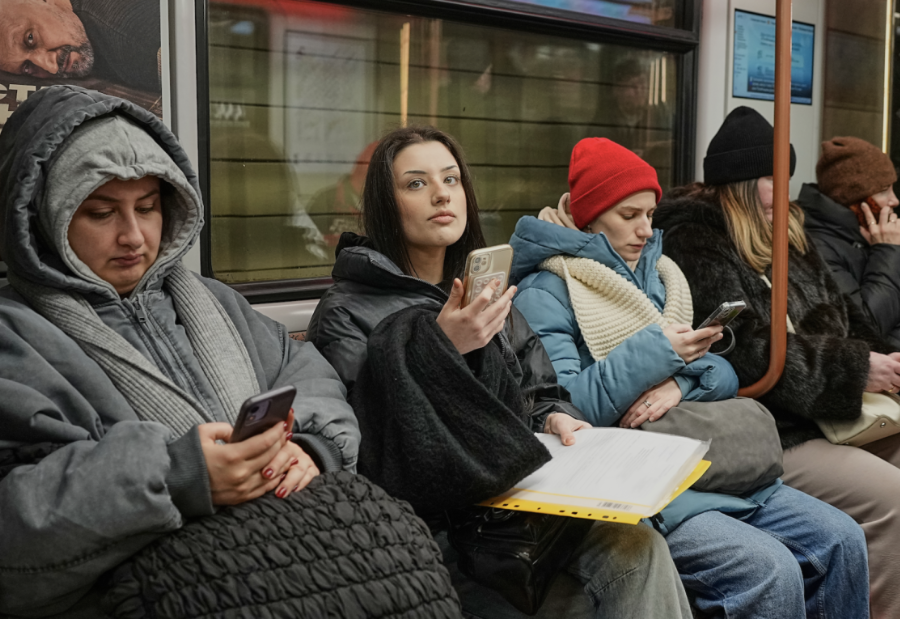
Connectivity limits across the Russian capital are creating major disruptions for residents and businesses. Mobile internet services in central Moscow faced widespread restrictions for more than 1 week, blocking access to many foreign websites and affecting millions of users.
Authorities say the measures are part of security steps to counter drone attacks linked to the ongoing Russia–Ukraine war. However, several industry experts believe the restrictions could also be preparation for a broader plan to limit Russians’ access to the global internet if required.
The intermittent shutdowns were first noticed on Mar 5 in some outskirts of Moscow and later spread to central areas. Similar disruptions have been reported across several regions in Russia for months.
As mobile internet access declined, many residents started relying on older technologies such as walkie-talkies, pagers and media players to stay connected.
The shutdowns are part of wider efforts by authorities to control internet access. Over the past few years, restrictive laws have been introduced and several global platforms have been blocked for not complying with regulations. After Vladimir Putin sent troops into Ukraine in Feb 2022, major social media platforms such as Twitter, Facebook and Instagram were blocked.
Last year, the communications watchdog also restricted messaging platforms including WhatsApp and Telegram. At the same time, authorities promoted a domestic messaging platform called MAX, which critics claim could function as a surveillance tool.
During the latest shutdowns, some government-approved Russian websites were placed on “white lists” and remained accessible. However, during this week’s disruptions even several of those services, along with major banks and taxi apps, stopped working on mobile networks.
Businesses that depend on mobile internet suffered the most. Cafes, restaurants and retail stores in Moscow reported heavy losses as customers were unable to make digital payments. ATMs and parking meters connected through mobile networks also stopped functioning.
Taxi services offered customers the option to call drivers by phone and pay in cash. In some cases, not only mobile internet but also mobile phone coverage for calls was temporarily unavailable.
Members of the Kremlin-controlled parliament also reported that mobile internet was almost completely absent in the lower house building located near Red Square.
According to estimates published by a business daily, Moscow businesses lost between 3 billion and 5 billion rubles, about $38 million to $63 million, in just 5 days of shutdowns.
Dmitry Peskov, spokesman for the Kremlin, said the restrictions are in “strict conformity with the law” and will remain in place “as long as additional measures to ensure security of our citizens are necessary.”
Also read: Viksit Workforce for a Viksit Bharat
Do Follow: The Mainstream LinkedIn | The Mainstream Facebook | The Mainstream Youtube | The Mainstream Twitter
About us:
The Mainstream is a premier platform delivering the latest updates and informed perspectives across the technology business and cyber landscape. Built on research-driven, thought leadership and original intellectual property, The Mainstream also curates summits & conferences that convene decision makers to explore how technology reshapes industries and leadership. With a growing presence in India and globally across the Middle East, Africa, ASEAN, the USA, the UK and Australia, The Mainstream carries a vision to bring the latest happenings and insights to 8.2 billion people and to place technology at the centre of conversation for leaders navigating the future.