


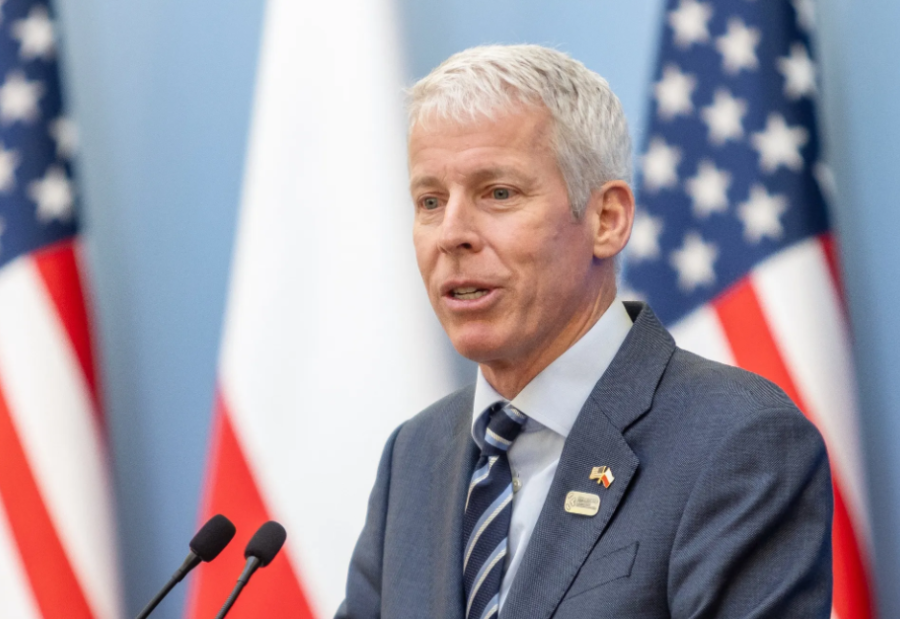
The United States must urgently expand electricity generation and modernise its power grid to support the rapid growth of artificial intelligence, Energy Secretary Chris Wright has said. Speaking on the rising energy demands of AI technologies, Wright warned that years of under-investment in energy infrastructure could constrain the country’s technological ambitions.
Large-scale AI models and data centres consume enormous amounts of electricity, with some estimates suggesting that training a single model can require as much power as hundreds of homes in a year. Wright highlighted that without significant investment in generation capacity and grid modernisation, these technologies could face operational limitations.
The Energy Secretary called for coordinated action between federal and state authorities to ensure the grid can meet AI’s escalating power needs. “If we are to maintain global leadership in artificial intelligence, we must address the infrastructure that powers it,” he said, emphasising both sustainability and reliability.
Experts agree that AI is no longer just a software challenge; it is an energy challenge. Upgrading the electricity system, including adopting renewable energy sources and smart grid technologies, will be crucial to sustaining innovation while preventing potential power shortages or bottlenecks.
Also read: Viksit Workforce for a Viksit Bharat
Do Follow: The Mainstream LinkedIn | The Mainstream Facebook | The Mainstream Youtube | The Mainstream Twitter
About us:
The Mainstream is a premier platform delivering the latest updates and informed perspectives across the technology business and cyber landscape. Built on research-driven, thought leadership and original intellectual property, The Mainstream also curates summits & conferences that convene decision makers to explore how technology reshapes industries and leadership. With a growing presence in India and globally across the Middle East, Africa, ASEAN, the USA, the UK and Australia, The Mainstream carries a vision to bring the latest happenings and insights to 8.2 billion people and to place technology at the centre of conversation for leaders navigating the future.