


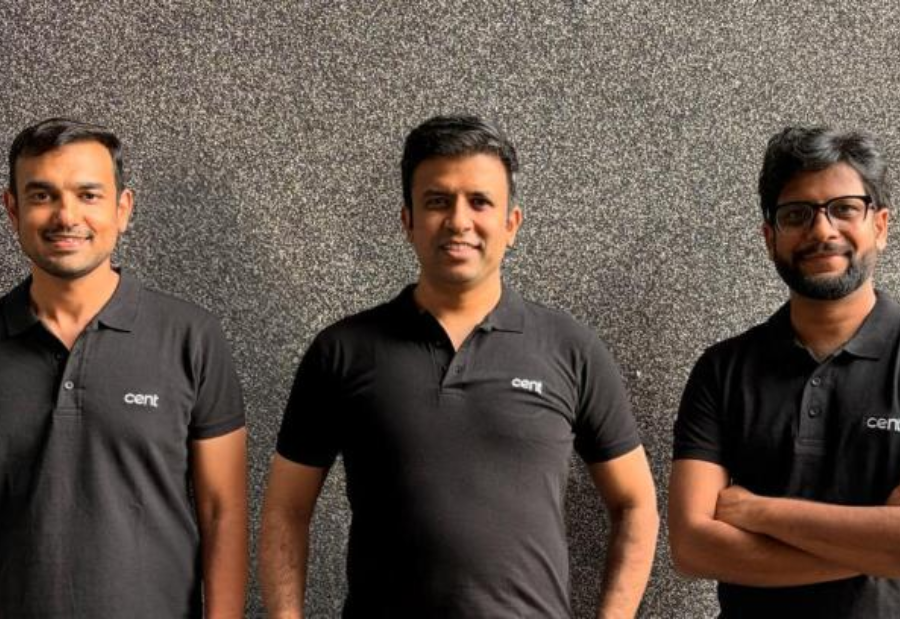
A new preventive healthcare startup, Cent, founded by Practo founder Shashank ND, along with former Lenskart and Ola Electric executives, has raised about $5 million in seed funding from South Park Commons and family office OneFlow Holdings, according to people familiar with the development.
OneFlow Holdings is the family office of Shashank ND.
The Bengaluru-based startup officially launched Cent on March 6, positioning itself as an AI-led early detection platform focused on identifying risks related to cancer, cardiac, neurological, and metabolic conditions before symptoms appear.
The name Cent, short for Century, reflects the company’s goal of helping people live up to 100 years through early health detection.
AI-driven preventive screening
Cent combines advanced imaging technologies, more than 120 biomarkers, and AI-based analysis to screen for over 300 health conditions in a single visit.
Founded in 2025, the company said it has been operational since the first quarter of FY26 and has completed more than 1,500 scans so far.
According to the company, 26% of these scans revealed clinically meaningful findings, while 4% identified critical conditions requiring immediate medical attention, mostly among individuals who did not show symptoms at the time of testing.
“India has built world-class treatment capability, but our healthcare system is still oriented around disease that has already declared itself. In the preventive space, we need dedicated infrastructure, the right technology, the right protocols, the right capital, built specifically for detection. That is the gap Cent is designed to close,” said Shashank ND, founder and chair of Cent.
Integrated screening protocol
Cent’s screening model is based on a proprietary protocol called CCNM (Cardiac, Cancer, Neurological and Metabolic).
The system integrates whole-body MRI, low-dose CT scans, DEXA scans, ECG, blood and urine biomarkers, along with AI-driven analysis to generate organ-level risk assessments followed by clinical consultation.
“Five years ago, this level of integrated screening was not technically feasible. The convergence of advanced MRI, AI-assisted radiology, and multi-omics analysis now allows us to screen for 300+ conditions in a single visit and a faster scan time,” said Arpit Garg, co-founder and chief AI and research officer at Cent.
Growth and expansion plans
The company said it is currently growing at 50% month-on-month and has reached an annualised revenue run rate of about $2 million.
Cent plans to conduct 50,000 scans this year as it increases operational capacity.
To support expansion, the startup is developing single-purpose early detection centres. The first centres are expected to open from April 2026 in Mumbai, Delhi, and Bengaluru, followed by expansion into Pune and Hyderabad.
“The bottleneck in early detection has never been intent; it has been the operating model. If you depend on symptom-led referrals and multi-purpose centres, you can’t scale rigour. By designing around one protocol and one workflow, we can drive utilisation, consistency and cost discipline,” said Anshul Khandelwal, co-founder and chief business officer at Cent.
The company did not officially comment on the funding amount.
Cent’s long-term goal is to conduct 10 million scans and help save 1 million lives by 2035, as it works to make early disease detection a mainstream part of healthcare in India.
Also read: Viksit Workforce for a Viksit Bharat
Do Follow: The Mainstream LinkedIn | The Mainstream Facebook | The Mainstream Youtube | The Mainstream Twitter
About us:
The Mainstream is a premier platform delivering the latest updates and informed perspectives across the technology business and cyber landscape. Built on research-driven, thought leadership and original intellectual property, The Mainstream also curates summits & conferences that convene decision makers to explore how technology reshapes industries and leadership. With a growing presence in India and globally across the Middle East, Africa, ASEAN, the USA, the UK and Australia, The Mainstream carries a vision to bring the latest happenings and insights to 8.2 billion people and to place technology at the centre of conversation for leaders navigating the future.