


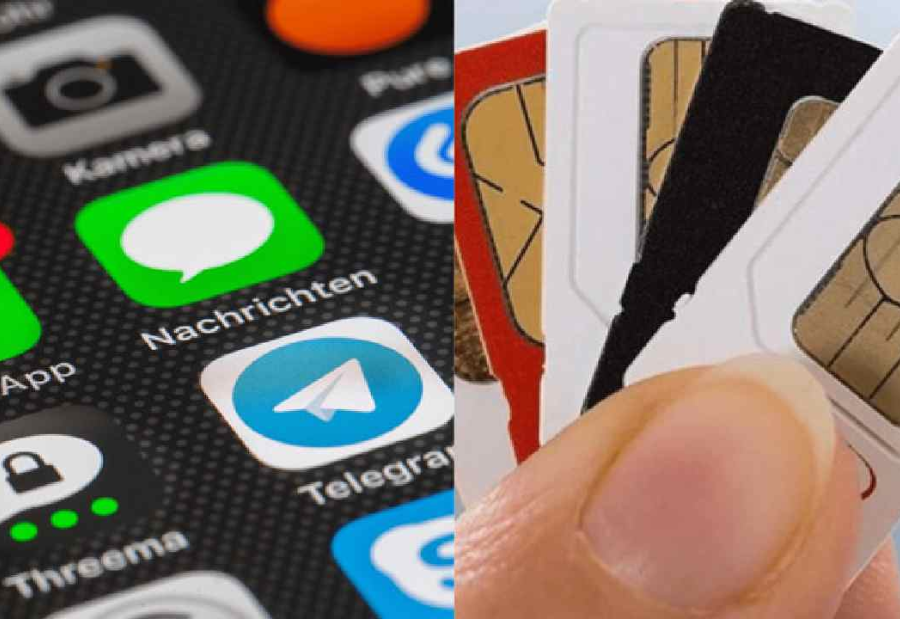
India is preparing for a major shift in how messaging apps function, as the government moves to tightly link app access to active SIM cards in a bid to fight rising digital fraud.
On February 27, speaking at a public summit, Telecom Minister Jyotiraditya Scindia said, “We have to ensure against cyberfraud and digital arrest; SIM binding has become the need of the day.” He added, “The SIM binding regulation stands and we hope all service providers will come on board.”
SIM binding requires messaging apps such as WhatsApp, Telegram and Signal to continuously verify that the SIM used to register an account is active and physically present in the device. If the SIM is removed, swapped, deactivated or ported, the app session must automatically shut down. Companion web sessions, including WhatsApp Web, must auto-logout every 6 hours.
The rule stems from a November 28, 2025 directive issued by the Department of Telecommunications (DoT). Platforms must verify SIM identity markers like IMSI and terminate access if the SIM no longer matches the account. The compliance deadline is March 1, 2026, with penalties possible under the Telecommunications Act, 2023.
The move follows a surge in SIM-swap fraud and ‘digital arrest’ scams. In SIM-swap cases, criminals obtain a duplicate SIM and intercept OTPs to access banking and messaging accounts. Fraudsters have also used hijacked numbers to impersonate law enforcement on messaging platforms. SIM binding aims to close the loophole where app sessions remain active after SIM changes.
The policy builds on wider reforms. The Telecommunications Act, 2023, capped SIM ownership at 9 per person. In October 2025, DoT amended Telecom Cyber Security Rules, introduced a Mobile Number Validation platform, mandated IMEI scrubbing and created the category of Telecom Identifier User Entities.
Telecom operators have largely supported the measure. Technology platforms have raised concerns about technical feasibility, privacy and multi-device usage, especially on iOS.
Globally, many countries regulate SIM registration. However, few require messaging apps to continuously verify SIM presence during use. India’s model is therefore considered unusual.
Whether SIM binding reduces fraud will depend on execution and industry compliance. For now, the government’s position remains firm: the regulation “stands.”
Also read: Viksit Workforce for a Viksit Bharat
Do Follow: The Mainstream LinkedIn | The Mainstream Facebook | The Mainstream Youtube | The Mainstream Twitter
About us:
The Mainstream is a premier platform delivering the latest updates and informed perspectives across the technology business and cyber landscape. Built on research-driven, thought leadership and original intellectual property, The Mainstream also curates summits & conferences that convene decision makers to explore how technology reshapes industries and leadership. With a growing presence in India and globally across the Middle East, Africa, ASEAN, the USA, the UK and Australia, The Mainstream carries a vision to bring the latest happenings and insights to 8.2 billion people and to place technology at the centre of conversation for leaders navigating the future.