


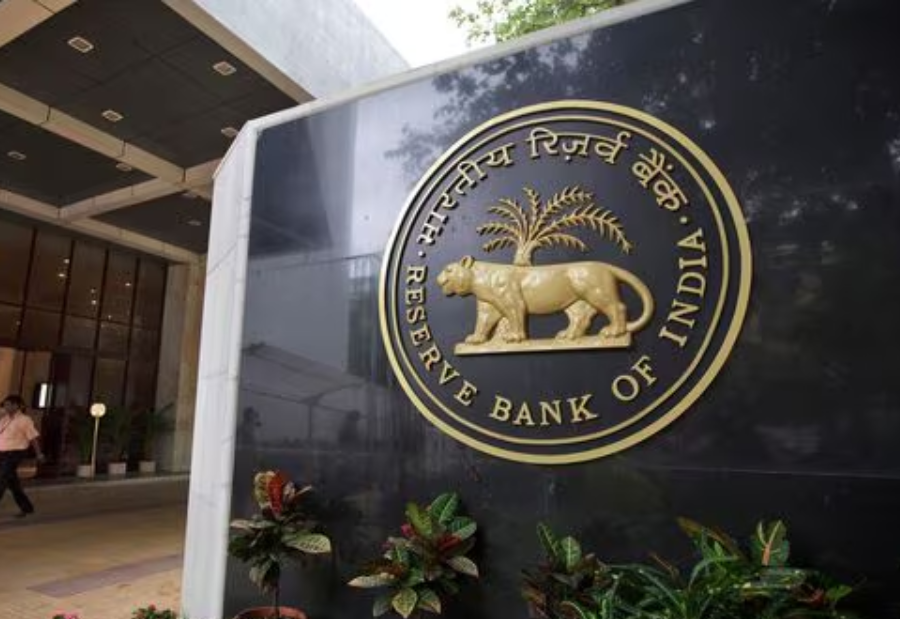
At a time when global uncertainties are putting pressure on domestic financial markets, the central bank has moved to provide companies with greater flexibility in raising overseas funds.
Reserve Bank of India has issued liberalised external commercial borrowing (ECB) guidelines, allowing India Inc to access higher borrowing limits at market-linked conditions. The revised framework also permits a change in the currency of an ECB and allows conversion of ECBs into non-debt instruments, among other measures.
Under the new rules, borrowers undergoing restructuring or those under a corporate insolvency resolution process can also use the ECB route to raise funds. The move comes amid capital outflows driven by geopolitical uncertainty and fragmentation in global trade, which has contributed to pressure on the Rupee. The liberalised ECB norms are expected to encourage companies to tap overseas markets and bring in Dollars, helping stabilise the currency.
ECBs are commercial loans raised by eligible resident entities from recognised non-resident lenders. These borrowings must comply with conditions such as minimum maturity, permitted and non-permitted end-uses, and other regulatory parameters.
An eligible borrower can raise ECB up to the higher of outstanding ECB of USD 1 billion or total outstanding borrowing, both external and domestic, up to 300% of net worth based on the last audited standalone balance sheet. There will be no cap on the cost of borrowing, which will be aligned with prevailing market conditions.
For ECBs with an average maturity of less than 3 years, the borrowing cost must follow the ceiling specified for trade credit. In fixed-rate loans, the floating rate plus the applicable swap spread must not exceed the prescribed ceiling. Any prepayment charges or penal interest for defaults must also align with market conditions.
The RBI has allowed ECBs to be secured through charges on immovable, movable, financial, and intangible assets, including intellectual property rights. Guarantees may also be issued in line with the Foreign Exchange Management (Guarantees) Regulations, 2026, subject to conditions.
The eligible borrower list has been expanded to include entities facing pending investigations, adjudications, or appeals by law enforcement agencies. Such borrowers may raise ECBs, provided they disclose details of the pending proceedings.
Eligible lenders include persons resident outside India, overseas branches of RBI-regulated lenders, and financial institutions or branches set up in IFSCs. ECBs may be raised in foreign currency or INR, with flexibility to change the currency. All ECBs must have a minimum average maturity period of 3 years.
Also read: Viksit Workforce for a Viksit Bharat
Do Follow: The Mainstream LinkedIn | The Mainstream Facebook | The Mainstream Youtube | The Mainstream Twitter
About us:
The Mainstream is a premier platform delivering the latest updates and informed perspectives across the technology business and cyber landscape. Built on research-driven, thought leadership and original intellectual property, The Mainstream also curates summits & conferences that convene decision makers to explore how technology reshapes industries and leadership. With a growing presence in India and globally across the Middle East, Africa, ASEAN, the USA, the UK and Australia, The Mainstream carries a vision to bring the latest happenings and insights to 8.2 billion people and to place technology at the centre of conversation for leaders navigating the future.