


India’s latest budget signals a sharper push to scale high impact technology sectors, with strong emphasis on electronics manufacturing, semiconductors, data centres, and artificial intelligence. The reforms aim to strengthen domestic supply chains, boost exports, and generate high quality jobs, while unlocking large scale investments across the digital economy.
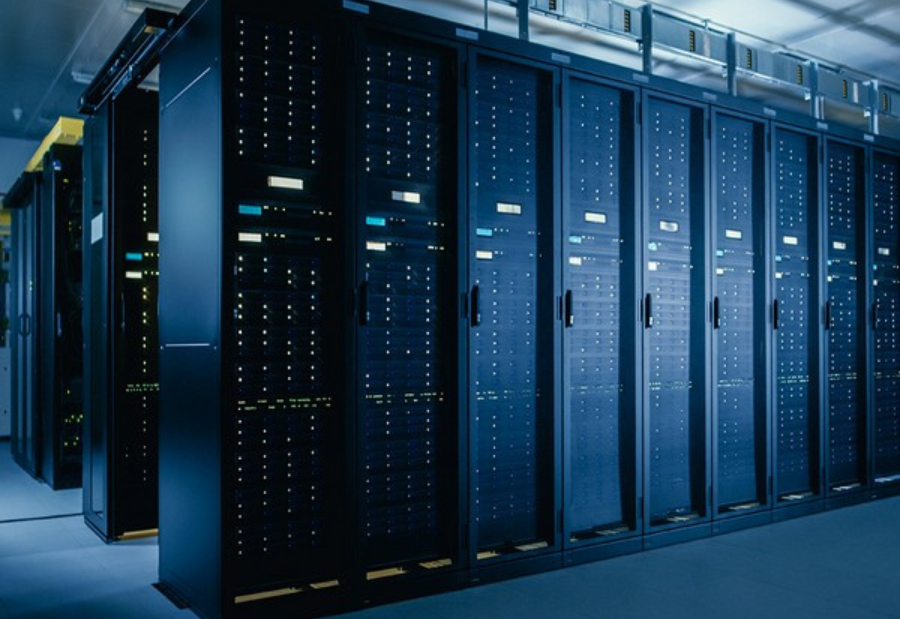
Speaking a day after the budget, Union Minister for Electronics and Information Technology, Railways, and Information and Broadcasting Ashwini Vaishnaw said the reforms could attract more than $200 billion in data centre investments alone. He noted that around $70 billion is already committed and close to $90 billion more has been promised. Addressing concerns around energy and employment, he said startups are achieving up to 35% reductions in power use and that data centres enable wider job creation in IT services, creative technologies, and innovation. “If India wants to be a global leader in AI driven services, it must build this foundational infrastructure.”
On semiconductors, the budget announced the second phase of the India Semiconductor Mission, even though no explicit allocation was stated. Vaishnaw said funding is expected to exceed the earlier ₹76,000 crore. ISM 2.0 will focus more on ecosystem development rather than only fabs, covering equipment, materials, and design. India plans to design 6 major systems including RF, compute, networking, and power management, with intellectual property stored in a sovereign repository at C Dac. The government has outlined a roadmap from 28 nanometres to 7, 3, and eventually 2 nanometres by 2035, compressing decades of progress into 10 to 15 years.
The budget has also simplified safe harbour rules for IT services and global capability centres by merging classifications and setting a common margin of 15.5%. This is expected to ease transfer pricing challenges and further accelerate GCC growth. India already hosts more than 2,000 GCCs, with new centres being set up almost every week. The Digital Personal Data Protection Act has also improved prospects for India EU cooperation, positioning India as a trusted partner for data services and electronics sourcing.
Electronics manufacturing continues to build momentum under Make in India and Atmanirbhar Bharat. The sector has grown 6 times over the last decade, while exports have risen 8 times, placing electronics among India’s top 3 export categories. The budget increased allocation for the electronics component manufacturing scheme from ₹22,000 crore to ₹40,000 crore. Today, electronics employs about 25 lakh people, IT services 55 lakh, and GCCs 15 lakh, totalling nearly 1 crore jobs, with another 25 lakh expected from component manufacturing.
Also read: Viksit Workforce for a Viksit Bharat
Do Follow: The Mainstream formerly known as CIO News LinkedIn Account | The Mainstream formerly known as CIO News Facebook | The Mainstream formerly known as CIO News Youtube | The Mainstream formerly known as CIO News Twitter
About us:
The Mainstream is a premier platform delivering the latest updates and informed perspectives across the technology business and cyber landscape. Built on research-driven, thought leadership and original intellectual property, The Mainstream also curates summits & conferences that convene decision makers to explore how technology reshapes industries and leadership. With a growing presence in India and globally across the Middle East, Africa, ASEAN, the USA, the UK and Australia, The Mainstream carries a vision to bring the latest happenings and insights to 8.2 billion people and to place technology at the centre of conversation for leaders navigating the future.