


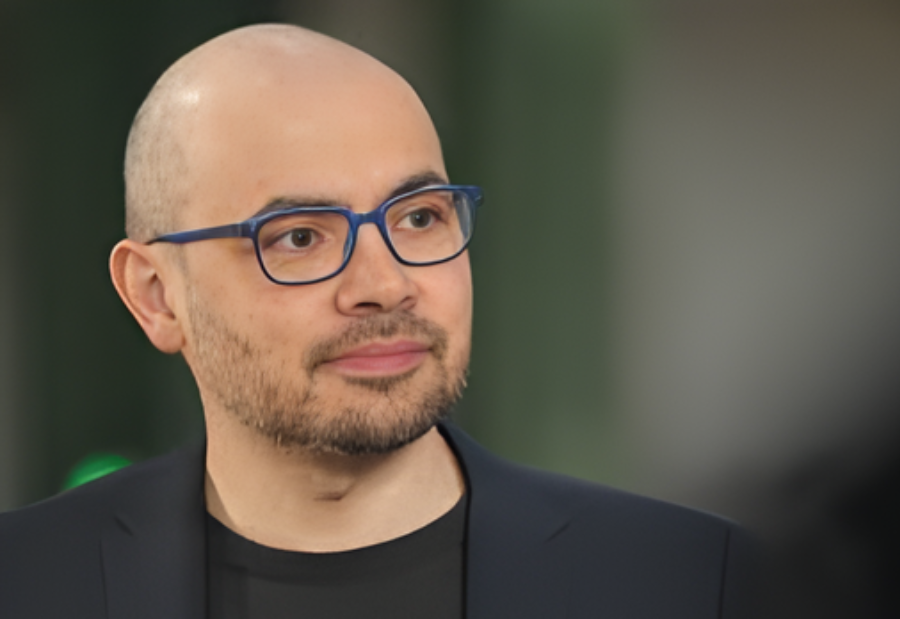
A rare moment of candour has come from the head of Google DeepMind. Demis Hassabis has acknowledged that while Google created the core technology behind modern AI chatbots, competitors were quicker to turn it into widely used products.
Speaking on a technology podcast, Hassabis said that Google researchers invented transformer technology in 2017, which now powers almost all large language models. However, he admitted the company was slow to commercialise and expand it at scale. He credited OpenAI and other startups for moving faster. Referring to their execution, he said, “That’s what OpenAI and others did very well.” He added that Google “maybe” was “a little bit slow to commercialise it and scale it.”
The delay became more visible after OpenAI launched ChatGPT in November 2022. In response, Google merged its Brain research unit with DeepMind in 2023 and put Josh Woodward in charge of its Gemini AI assistant. Setbacks with Google’s AI products in 2024 added to doubts about its ability to compete. Hassabis said the company had to change its mindset: “The last two, three years, I think we’ve had to come back to almost our startup or entrepreneurial roots and be scrappier, be faster, ship things really quickly and sort of make really rapid progress.”
At the start of 2025, investors questioned whether Google could match OpenAI’s pace. By the end of the year, Alphabet shares posted their best performance since 2009, signalling renewed confidence in its AI push. Much of that progress came from DeepMind, which Google bought in 2014 for about £400 million, or nearly $550 million. Hassabis called it “the engine room” of Google’s AI work and said internal changes helped the company release products faster in what he described as a “ferocious competitive environment.”
He said he speaks with Google CEO Sundar Pichai “every day,” highlighting how closely the leadership teams now work together. “All the AI technologies is done by this group … and then it’s diffused across all of these incredible products right across Google,” Hassabis said. He added, “And the last couple of years, we’ve been building that backbone, so not just the models, but also … architecting the entire infrastructure of Google so that … these things can ship incredibly quickly.”
Hassabis warned that competition will only intensify, with rivals such as Amazon, Perplexity, and Anthropic also racing ahead. He said many tech veterans with “20, 30 years” of experience now view this as “the most intense environment they’ve ever seen, perhaps ever in the technology industry.”
Also read: Viksit Workforce for a Viksit Bharat
Do Follow: The Mainstream formerly known as CIO News LinkedIn Account | The Mainstream formerly known as CIO News Facebook | The Mainstream formerly known as CIO News Youtube | The Mainstream formerly known as CIO News Twitter
About us:
The Mainstream is a premier platform delivering the latest updates and informed perspectives across the technology business and cyber landscape. Built on research-driven, thought leadership and original intellectual property, The Mainstream also curates summits & conferences that convene decision makers to explore how technology reshapes industries and leadership. With a growing presence in India and globally across the Middle East, Africa, ASEAN, the USA, the UK and Australia, The Mainstream carries a vision to bring the latest happenings and insights to 8.2 billion people and to place technology at the centre of conversation for leaders navigating the future.