


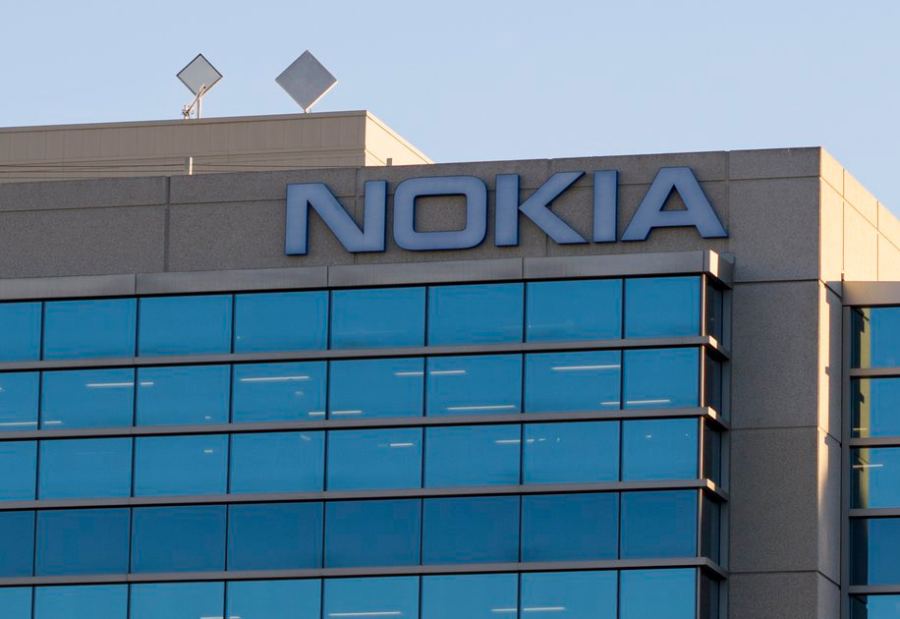
As market pressures continue to weigh on its core business, Nokia is backing tighter European controls on Chinese telecom vendors while relying on fixed and optical networks to support future growth.
The European Union has moved to strengthen its 5G security policy by proposing to make its existing “5G toolbox” rules mandatory. The framework advises countries to avoid using so-called “high-risk vendors.” Nokia CEO Justin Hotard welcomed the step, saying, “I think, for Europe, this is a very good and important step, because building trusted networks is critical for sovereignty.”
The policy shift comes as Nokia reported mixed financial results. Group revenue rose 4% on a comparable basis to €19.9 billion, with organic growth at 2%. Net income dropped 27% to under €1.6 billion, mainly due to weaker licensing revenue from Nokia Technologies. Following the results, Nokia’s share price fell about 5% in Helsinki and is down around 18% since October.
Mobile networks, once Nokia’s largest business unit, remain under strain. Revenue from the segment declined 4% to €7.8 billion. Although the unit posted an operating profit of €220 million last year, its margin of 2.8% lagged behind rivals. Total telecom spending on mobile networks fell sharply between 2022 and 2024, with global RAN sales down by $10 billion to about $35 billion.
Nokia is also cutting costs. Employee numbers dropped from 84,795 in 2023 to about 75,600 by the end of 2024. Another 5,000 job cuts are planned. From Q1 2026, the company will restructure into only 2 major business groups by merging mobile networks, cloud and network services, and Nokia Technologies into a new mobile infrastructure unit.
Hotard estimates Huawei’s European revenue in Nokia’s competing segments at between €2 billion and €2.5 billion. Ericsson has said Chinese vendors still hold 33% to 40% of Europe’s market. Nokia’s own sales in Greater China fell from nearly €2.2 billion in 2018 to €913 million last year.
Growth is coming mainly from network infrastructure. Revenue there rose 23% to almost €8 billion, supported by optical demand from data center operators using AI chips. Operating profit in the unit increased 2% to €780 million, though margins narrowed to 9.8%.
For 2026, Nokia forecasts operating profit between €2 billion and €2.5 billion. The company has already cut nearly 27,500 jobs since 2018 and is counting on European policy shifts to improve its competitive position.
Also read: Viksit Workforce for a Viksit Bharat
Do Follow: The Mainstream formerly known as CIO News LinkedIn Account | The Mainstream formerly known as CIO News Facebook | The Mainstream formerly known as CIO News Youtube | The Mainstream formerly known as CIO News Twitter
About us:
The Mainstream is a premier platform delivering the latest updates and informed perspectives across the technology business and cyber landscape. Built on research-driven, thought leadership and original intellectual property, The Mainstream also curates summits & conferences that convene decision makers to explore how technology reshapes industries and leadership. With a growing presence in India and globally across the Middle East, Africa, ASEAN, the USA, the UK and Australia, The Mainstream carries a vision to bring the latest happenings and insights to 8.2 billion people and to place technology at the centre of conversation for leaders navigating the future.