


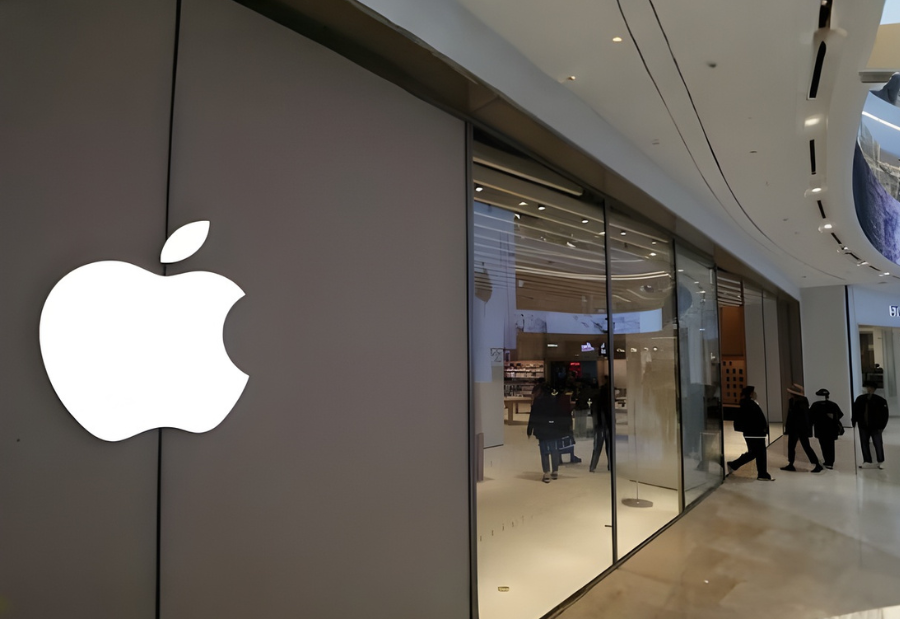
Behind closed doors and far from Silicon Valley, senior Apple executives have been spending extended periods in South Korean hotels to secure critical memory chip supplies. But analysts now warn that these efforts may be delivering limited results, as chipmakers hold firm and prices continue to rise.
Market watchers who believe Apple will easily ride out the global memory shortage may be overly confident. Semiconductor analyst Jukan has cautioned that expectations around Apple’s bargaining power are “way too optimistic,” adding that price hikes are expected to begin this month. Apple’s procurement teams have reportedly set up a temporary base, described locally as a “hotel headquarters,” near major chip facilities in Hwaseong and Pangyo to negotiate long-term supply contracts with Samsung and SK Hynix.
The strategy, however, appears to be running into resistance. Samsung’s semiconductor unit has already raised DRAM prices for its own mobile division by 60–70%. “They’re pushing such an absurd condition even on MX, which is part of the same family,” Jukan said. “So just imagine how much they’re raising prices for other companies.”
The pressure was publicly acknowledged by Samsung co-CEO TM Roh during CES, where he told a news agency that “no company is immune” to the impact of the shortage. He also did not rule out price increases across Samsung’s product range, including smartphones, televisions, and home appliances.
The timing is significant. Samsung recently reported that its Q4 operating profit nearly tripled, driven largely by higher memory chip sales. This internal pricing move highlights how little room large buyers like Apple may have to negotiate. According to Jukan’s sources, both Samsung and SK Hynix plan to raise memory prices for Apple starting this month.
The broader supply-demand imbalance is working against smartphone makers. Memory components now account for more than 20% of smartphone production costs, up from 15% just months ago. A 12GB RAM module now costs around $70, compared with $21 in early 2025, marking a 230% increase.
At the same time, chipmakers are prioritising high-bandwidth memory for AI accelerators, including those supplied to Nvidia. Each HBM chip produced reduces the availability of LPDDR5X modules used in smartphones. With Samsung and SK Hynix offering only short-term quarterly contracts and expecting prices to keep climbing through 2027, Apple’s extended hotel stays may continue, but the leverage remains firmly with the chipmakers.
Also read: Viksit Workforce for a Viksit Bharat
Do Follow: The Mainstream formerly known as CIO News LinkedIn Account | The Mainstream formerly known as CIO News Facebook | The Mainstream formerly known as CIO News Youtube | The Mainstream formerly known as CIO News Twitter
About us:
The Mainstream is a premier platform delivering the latest updates and informed perspectives across the technology business and cyber landscape. Built on research-driven, thought leadership and original intellectual property, The Mainstream also curates summits & conferences that convene decision makers to explore how technology reshapes industries and leadership. With a growing presence in India and globally across the Middle East, Africa, ASEAN, the USA, the UK and Australia, The Mainstream carries a vision to bring the latest happenings and insights to 8.2 billion people and to place technology at the centre of conversation for leaders navigating the future.