


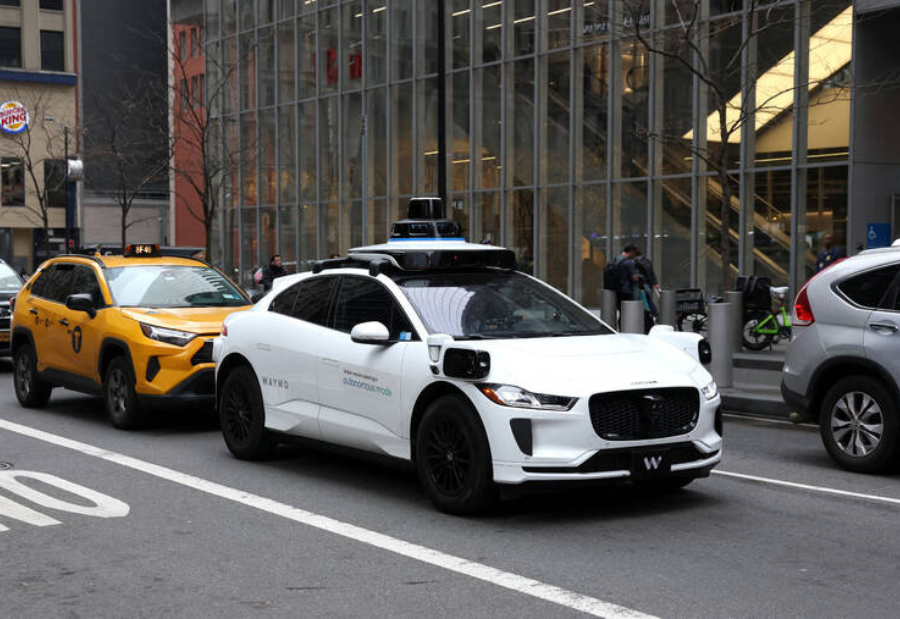
A recent power outage in San Francisco has triggered fresh concerns about whether robotaxis are prepared to handle large scale emergencies such as earthquakes and floods.
The outage occurred on December 20 after a fire at a PG and E substation cut electricity to nearly one third of the city. With traffic signals down, several Waymo driverless taxis were seen stopped at intersections with hazard lights on, according to videos shared on social media. Waymo paused its service and resumed operations the following day.
Waymo vehicles are a common sight on San Francisco streets, and the incident has intensified debate over safety and regulation as robotaxi services expand. Other companies, including Tesla and Amazon owned Zoox, are also pushing to grow their autonomous taxi operations in multiple cities.
“If you get a response to a blackout wrong, regulators are derelict if they do not respond to that by requiring some sort of proof that the earthquake scenario will be handled properly,” said Philip Koopman, a Carnegie Mellon University computer engineering professor and autonomous technology expert.
Waymo said on Tuesday that its vehicles are designed to treat non working traffic signals as four way stops. The company said its cars successfully passed more than 7,000 darkened intersections that day. However, the outage caused a surge in confirmation checks, which led to delays and added congestion on already busy streets.
Robotaxi companies worldwide rely on human remote support, known in the industry as “teleoperation,” to assist vehicles when needed. Waymo uses human fleet response agents who step in when the Waymo Driver system encounters uncertainty.
Experts say this approach has limits. Missy Cummings, director of the George Mason University Autonomy and Robotics Center, said stronger oversight is needed.
“The whole point of having remote operations is for humans to be there when the system is not responsive in the way it should be,” she said. “The federal government needs to regulate remote operations. They need to make sure that there’s backup remote operations when there’s some kind of catastrophic failure.”
California regulators, including the Department of Motor Vehicles and the Public Utilities Commission, said they are reviewing the incident. The DMV said it is working with Waymo and other companies and is developing rules to ensure remote drivers meet high safety and accountability standards.
Waymo operates more than 2,500 vehicles across the San Francisco Bay Area, Los Angeles, Metro Phoenix, Austin, and Atlanta. The company said it is updating its systems to better recognize power outage situations.
“If this had been an earthquake, it would have been a problem,” Koopman said. “This is just a shot across the bow.”
Also read: Viksit Workforce for a Viksit Bharat
Do Follow: The Mainstream formerly known as CIO News LinkedIn Account | The Mainstream formerly known as CIO News Facebook | The Mainstream formerly known as CIO News Youtube | The Mainstream formerly known as CIO News Twitter
About us:
The Mainstream is a premier platform delivering the latest updates and informed perspectives across the technology business and cyber landscape. Built on research-driven, thought leadership and original intellectual property, The Mainstream also curates summits & conferences that convene decision makers to explore how technology reshapes industries and leadership. With a growing presence in India and globally across the Middle East, Africa, ASEAN, the USA, the UK and Australia, The Mainstream carries a vision to bring the latest happenings and insights to 8.2 billion people and to place technology at the centre of conversation for leaders navigating the future.