


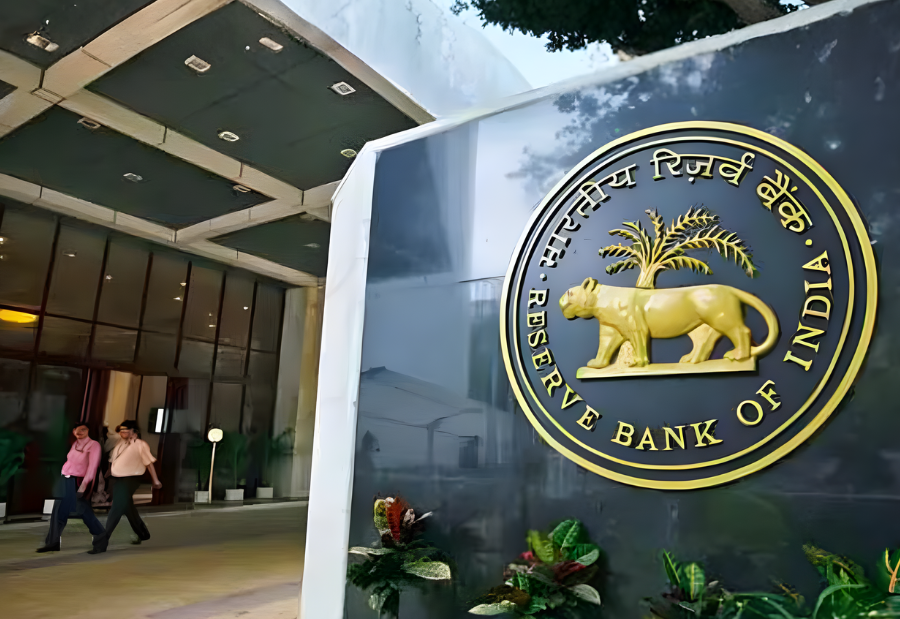
The Reserve Bank of India (RBI) has announced that State Bank of India, HDFC Bank and ICICI Bank will continue to be classified as systemically important banks. These banks are considered too big to fail because of their size, scale of operations, complexity and the critical role they play in the financial system. Any disorderly failure could disrupt essential banking services and affect economic activity.
RBI said that SBI must maintain an additional capital requirement of 0.80 per cent of its risk weighted assets. HDFC Bank must maintain an additional 0.40 per cent and ICICI Bank 0.20 per cent.
SBI and ICICI Bank were first identified as domestic systemically important banks in 2015 and 2016. HDFC Bank was added to the list in 2017.
The D SIB framework, introduced by RBI in 2014, requires the central bank to publish the names of banks that are designated as systemically important. It also places these banks in specific buckets based on their systemic importance scores.
Each bucket carries an extra common equity requirement that the bank must maintain in addition to the minimum regulatory capital. This ensures stronger financial buffers for banks that have a larger impact on the stability of the financial system.
Also read: Viksit Workforce for a Viksit Bharat
Do Follow: The Mainstream formerly known as CIO News LinkedIn Account | The Mainstream formerly known as CIO News Facebook | The Mainstream formerly known as CIO News Youtube | The Mainstream formerly known as CIO News Twitter
About us:
The Mainstream is a premier platform delivering the latest updates and informed perspectives across the technology business and cyber landscape. Built on research-driven, thought leadership and original intellectual property, The Mainstream also curates summits & conferences that convene decision makers to explore how technology reshapes industries and leadership. With a growing presence in India and globally across the Middle East, Africa, ASEAN, the USA, the UK and Australia, The Mainstream carries a vision to bring the latest happenings and insights to 8.2 billion people and to place technology at the centre of conversation for leaders navigating the future.