


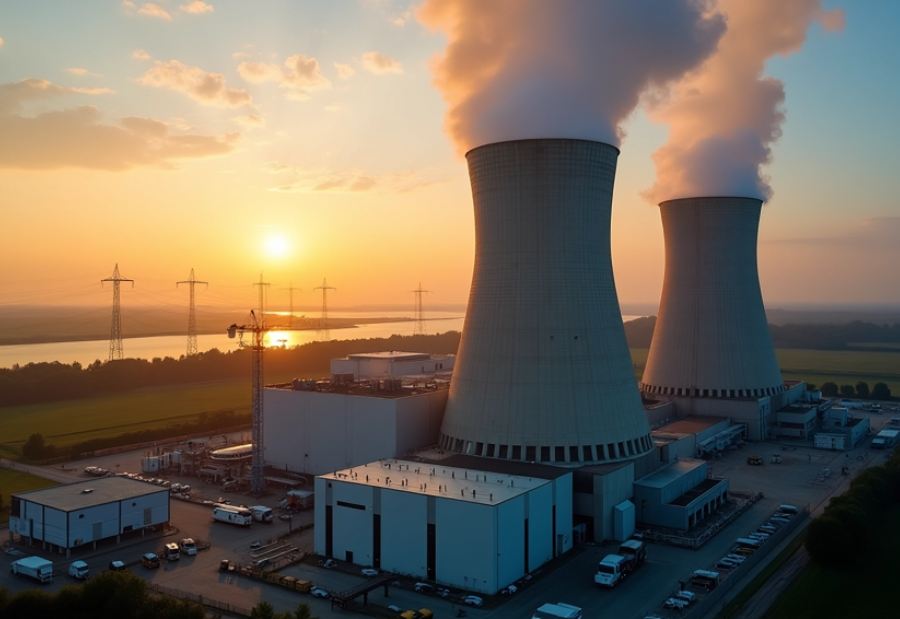
Nuclear energy continues to play a major role in clean power generation in the United States, delivering large amounts of carbon free electricity and supporting a wide range of scientific and commercial uses. The Office of Nuclear Energy at the Department of Energy concentrates on maintaining current reactors, developing advanced designs and improving the nuclear fuel cycle to strengthen sustainability and the national economy.
Nuclear power remains the largest clean energy source in the country, generating nearly 775 billion kilowatt hours each year and providing almost half of all emission’s free electricity. This output prevents more than 471 million metric tons of carbon from entering the atmosphere, equal to removing 100 million cars from the road. The industry also supports nearly 500000 jobs, with individual plants employing up to 800 workers whose salaries are about 50 percent higher than those in other power sectors. It further contributes billions of dollars in tax revenue and supports national security by helping the United States maintain global leadership in peaceful nuclear technologies.
Despite these strengths, the sector faces concerns about public perception, used fuel management and the difficulty of building new plants. Public worries stem from past global accidents and misconceptions linking nuclear energy to weapons. The Department of Energy works with industry and its national labs to create improved reactors and fuels that increase performance and reduce waste. It also provides fact-based information through outreach to build awareness. Used fuel remains securely stored at more than 70 sites in 35 states and the Department of Energy is reviewing plant sites and transport systems to support future movement to a consolidated interim storage facility that would be selected through a consent-based siting process.
Construction of new plants presents another challenge due to high capital costs, lengthy approvals and complex development timelines. The Department of Energy is rebuilding the workforce through support for two new reactors at Plant Vogtle in Georgia, which created up to 9000 construction jobs and 800 permanent positions when the units began operating in 2023 and 2024. The government is also backing smaller systems such as microreactors and small modular reactors that can be factory built to reduce construction time and cost. To help existing plants stay competitive, the Light Water Reactor Sustainability program focuses on modernizing systems and lowering operating costs. New accident tolerant fuels under development aim to boost performance and cut waste and may see wide use by 2025.
Also read: Viksit Workforce for a Viksit Bharat
Do Follow: The Mainstream formerly known as CIO News LinkedIn Account | The Mainstream formerly known as CIO News Facebook | The Mainstream formerly known as CIO News Youtube | The Mainstream formerly known as CIO News Twitter
About us:
The Mainstream is a premier platform delivering the latest updates and informed perspectives across the technology business and cyber landscape. Built on research-driven, thought leadership and original intellectual property, The Mainstream also curates summits & conferences that convene decision makers to explore how technology reshapes industries and leadership. With a growing presence in India and globally across the Middle East, Africa, ASEAN, the USA, the UK and Australia, The Mainstream carries a vision to bring the latest happenings and insights to 8.2 billion people and to place technology at the centre of conversation for leaders navigating the future.